Louisiana, United States
New hotels in New Orleans
A city long underinvested in hotels relative to its cultural weight: a gap that is finally starting to close.
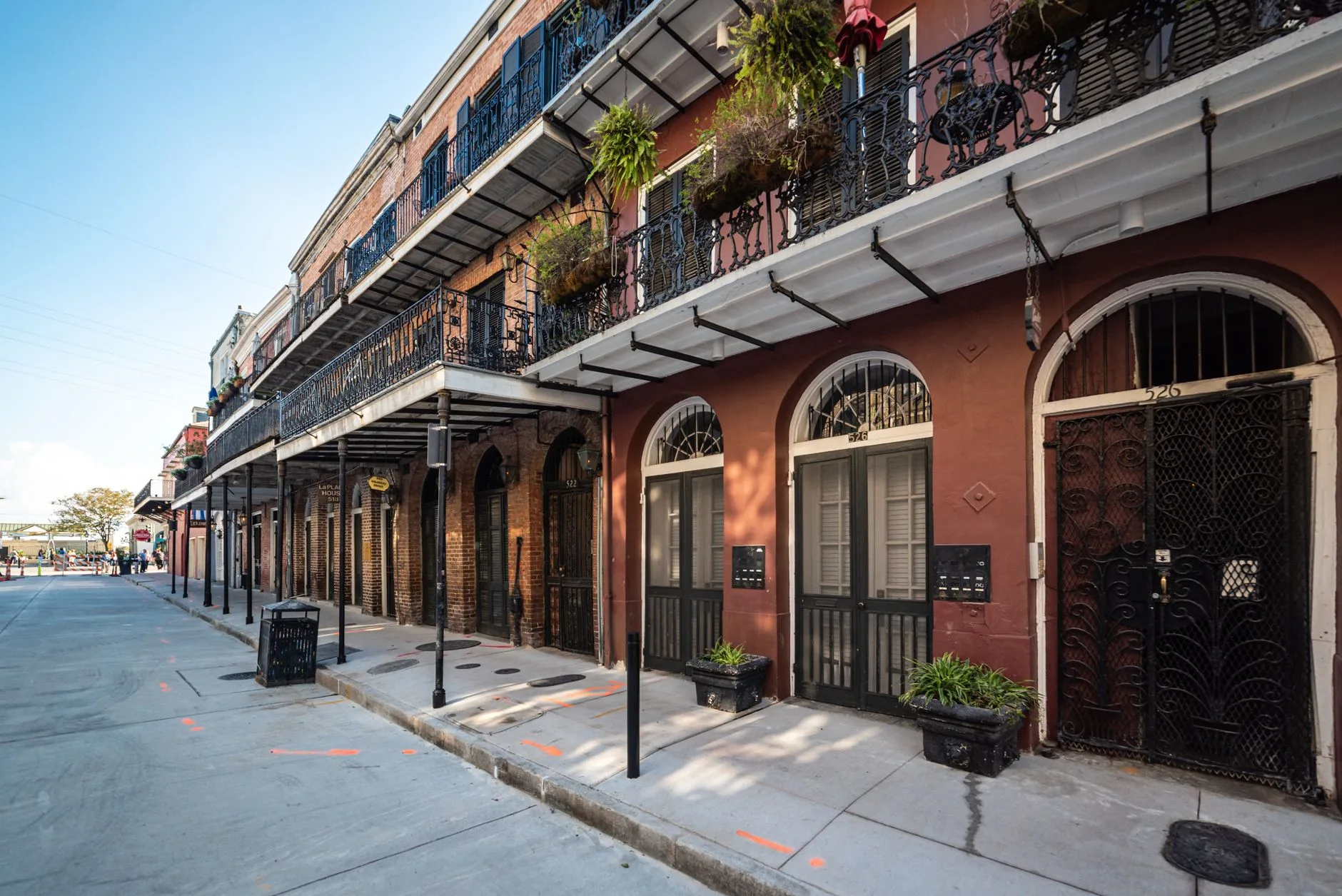
Now open in New Orleans
New Orleans, Louisiana
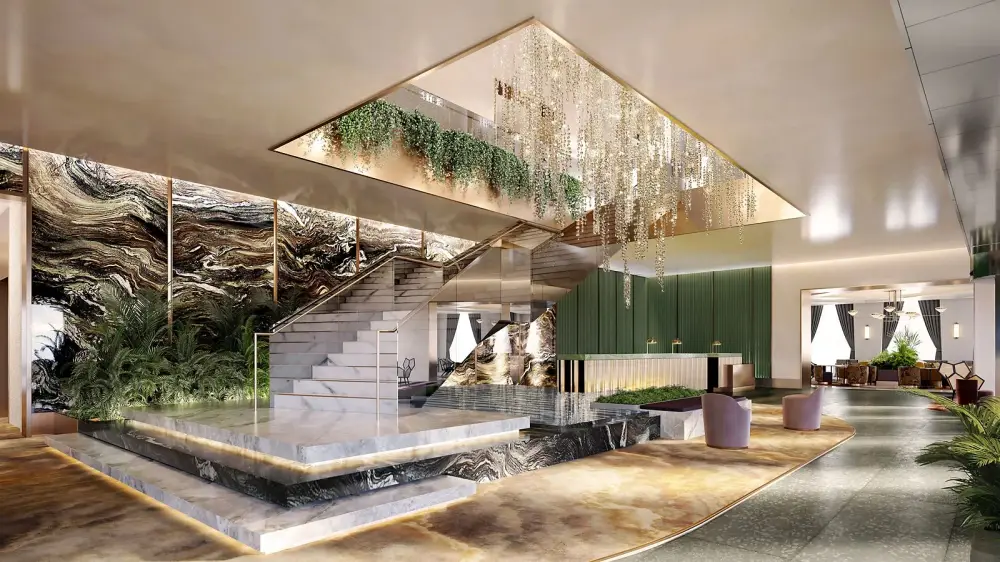
Fairmont New Orleans
Fairmont takes 18 floors of the former Bank of New Orleans tower, a 1971 skyscraper.
From $350
Open · June 2026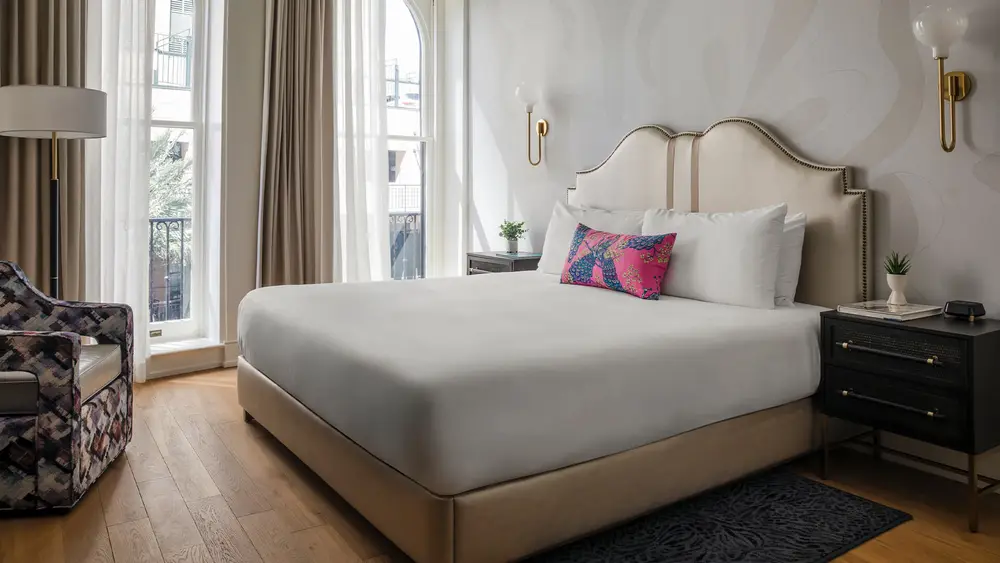
New Orleans, Louisiana
The Monarch Hotel
An Art Deco boutique hotel reborn from a mid-19th-century St. Charles Avenue landmark.
From $275
Open · April 2026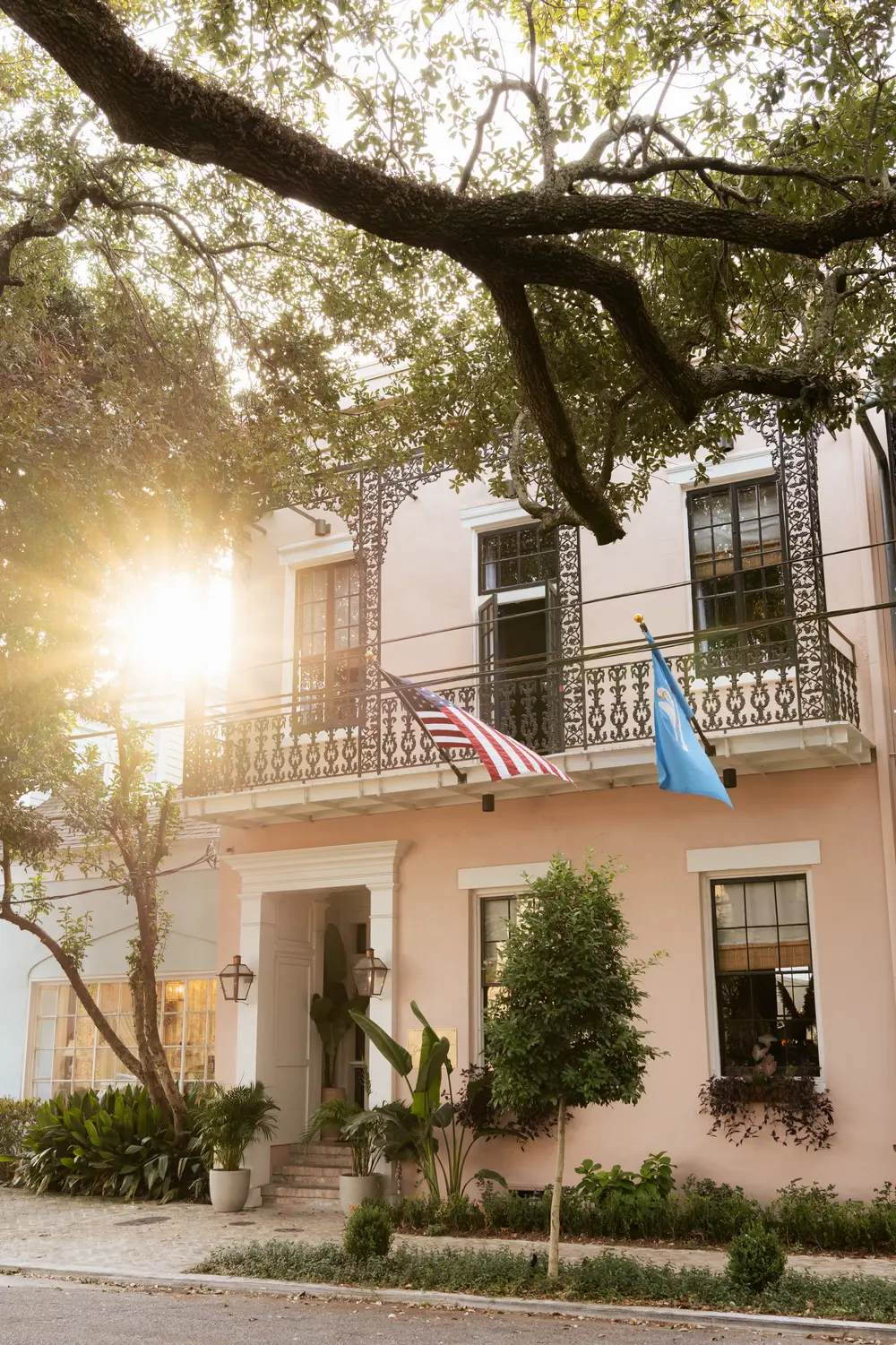
New Orleans, Louisiana
The Garden District Hotel
The former Prytania Park Hotel reborn with New Orleans' only swim-up pool bar.
Open · June 2025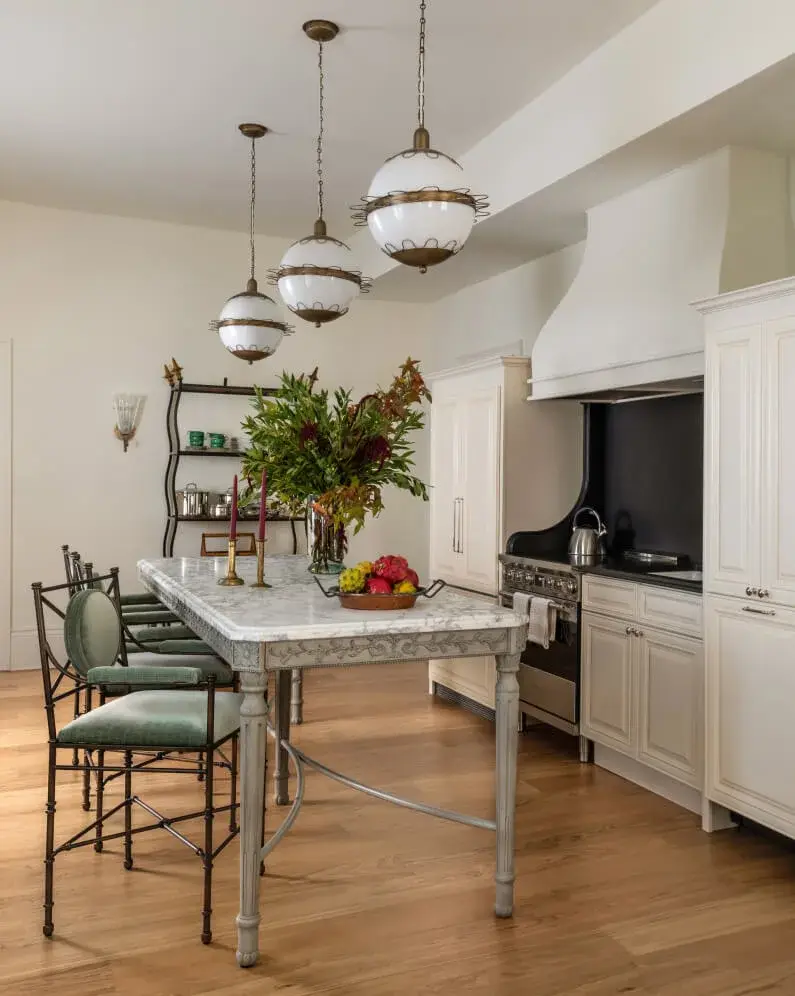
New Orleans, Louisiana
Hotel Perle
A former office building on St. Charles Avenue reborn as a large-format hotel built entirely around group travel
From $250
Open · February 2025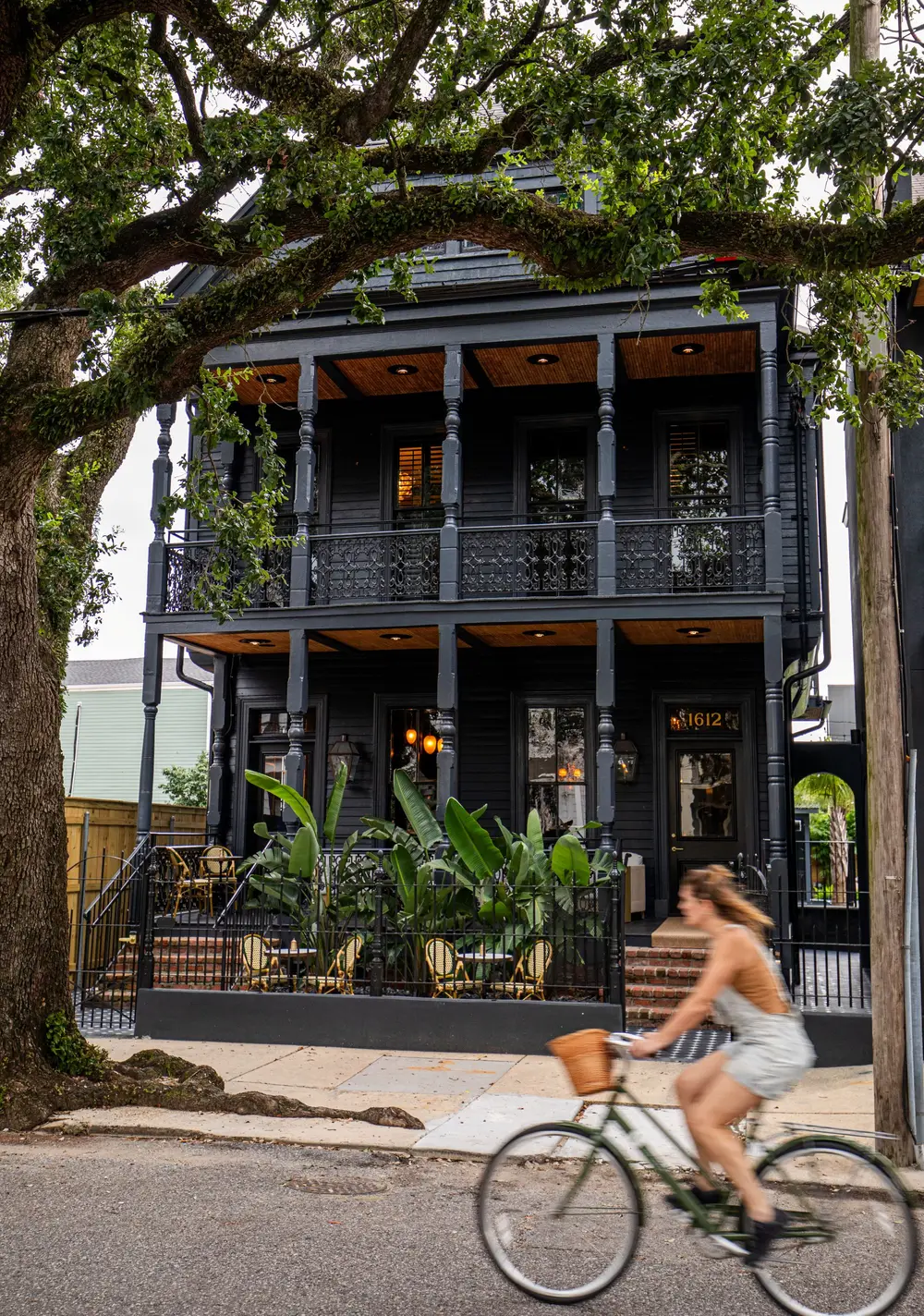
New Orleans, Louisiana
The Blackbird Hotel
A 13-room boutique hotel in a former children's home, one block from its sister property in the Garden District.
Open · November 2024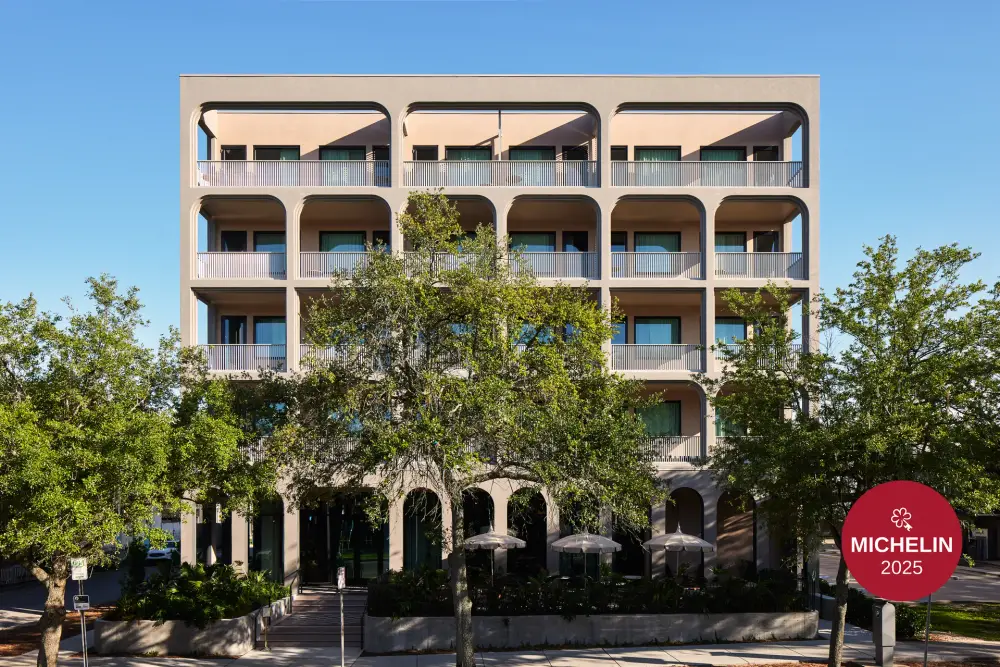
New Orleans, Louisiana
Hotel Henrietta
The first hotel built from the ground up on St. Charles Avenue in 30 years, already carrying a Michelin Key
From $150
Open · April 2024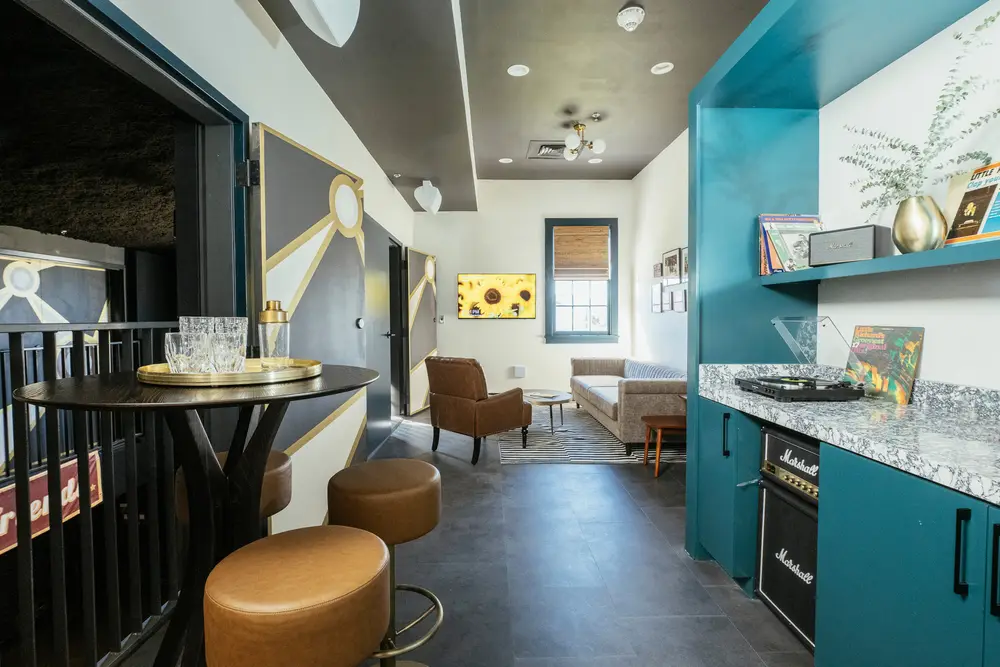
New Orleans, Louisiana
Dew Drop Inn Hotel & Lounge
A legendary 1939 R&B music venue in Central City, restored into a 17-room boutique hotel and lounge.
From $130
Open · March 2024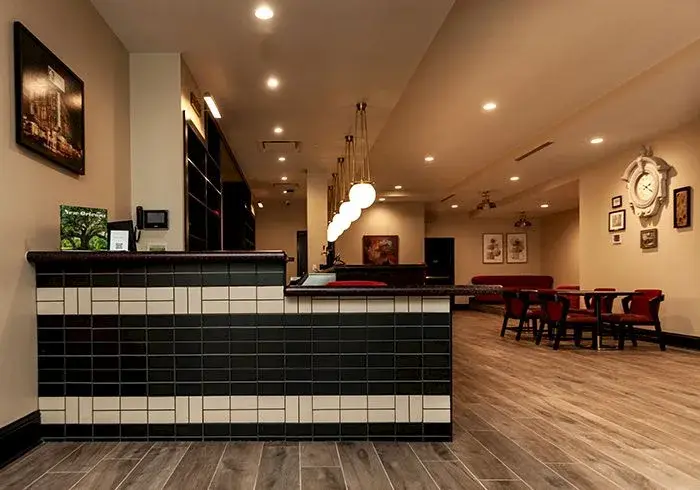
New Orleans, Louisiana
The Rubenstein Hotel
A century-old menswear store's upper floors, turned into a 40-room hotel above the shop
From $110
Open · Early 2024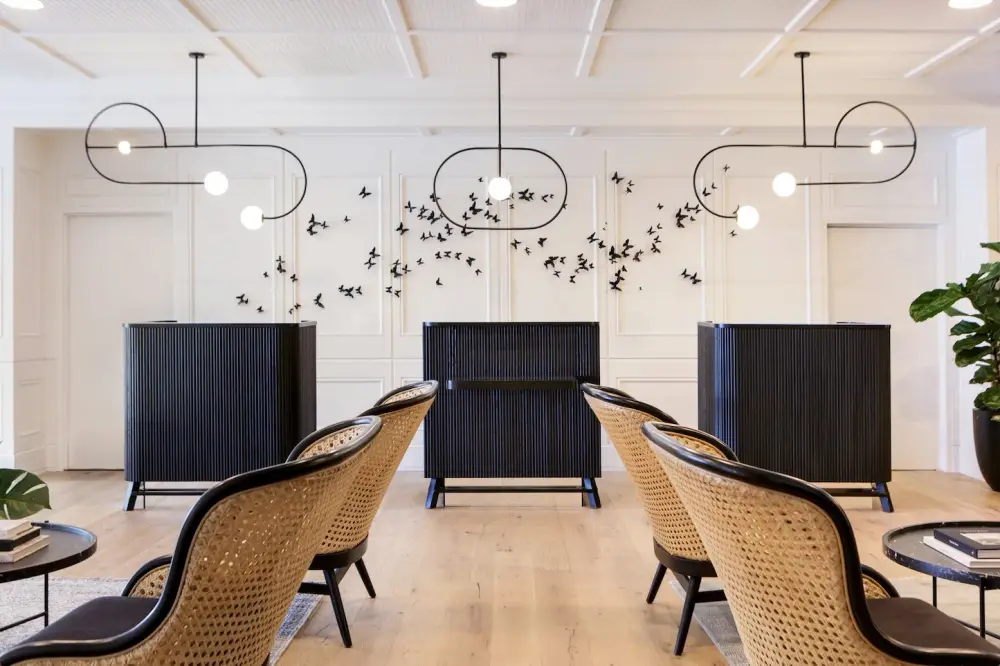
New Orleans, Louisiana
Kimpton Hotel Fontenot
Kimpton came back to New Orleans in May 2022 after 16 years, in a hotel named for the Creole fiddler Canray Fontenot, now 235 rooms across two buildings.
From $135
Open · May 2022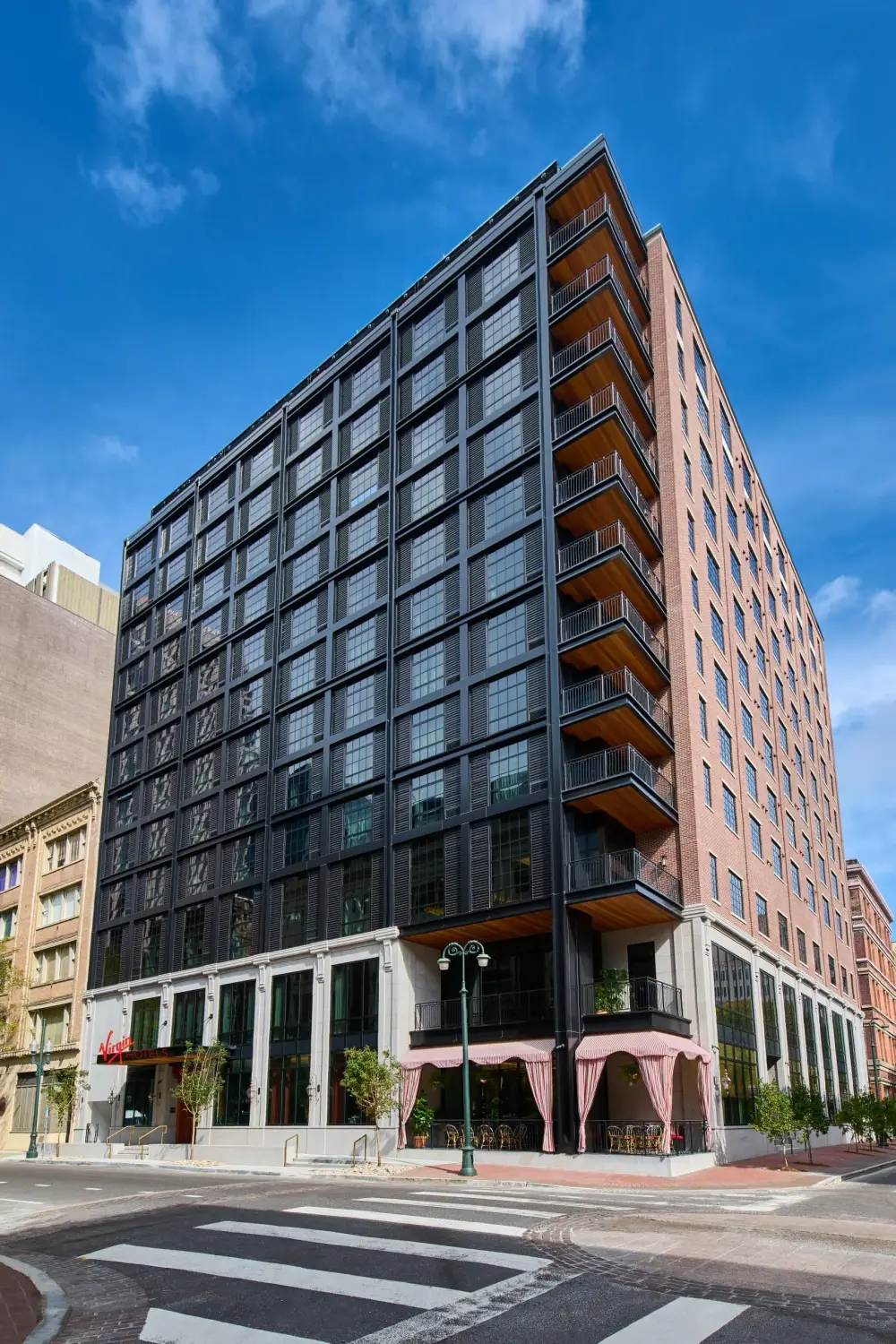
New Orleans, Louisiana
Virgin Hotels New Orleans
An $80m, 14-storey ground-up tower in the Warehouse District, styled after the neighbourhood's own warehouse architecture
From $130
Open · September 6, 2021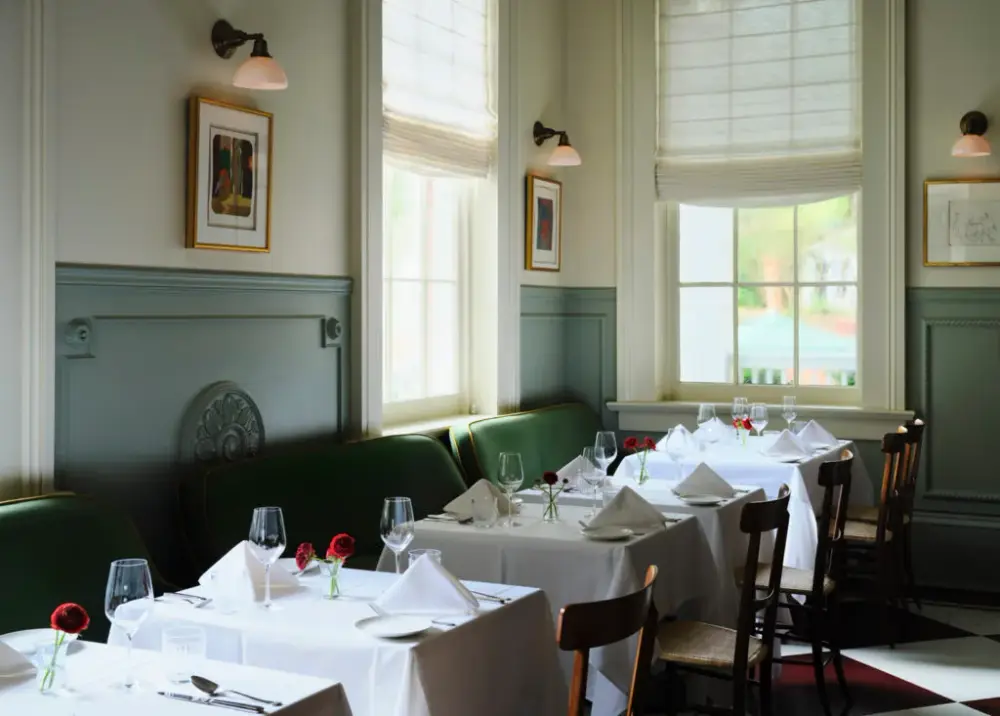
New Orleans, Louisiana
Hotel Saint Vincent
A Michelin Key hotel in an 1861 Lower Garden District building that began as Saint Vincent's Infant Asylum, with 75 rooms around a courtyard pool.
From $305
Open · 2021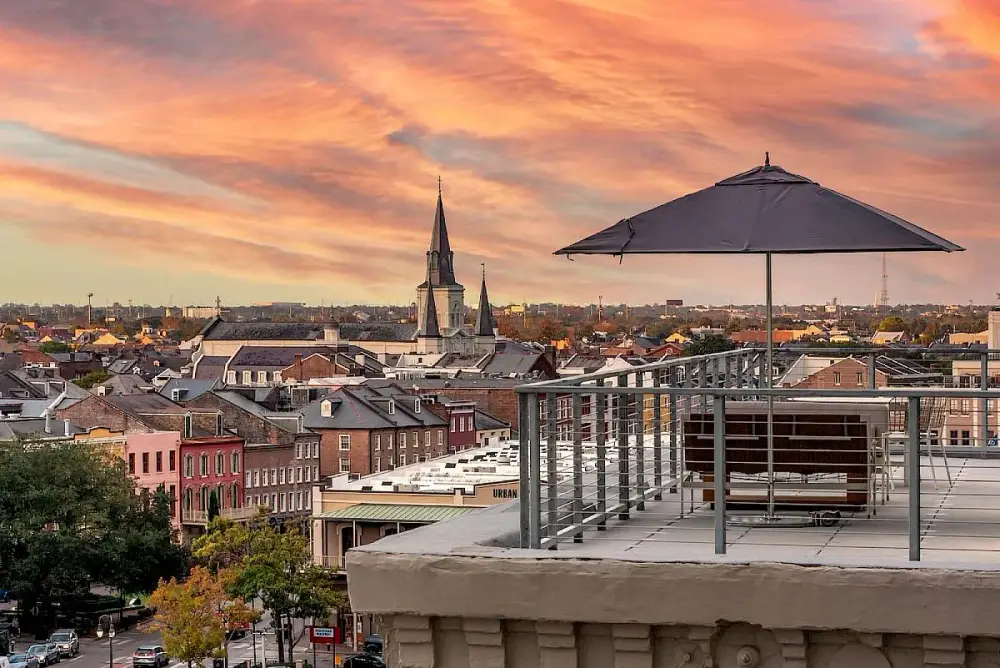
New Orleans, Louisiana
ONE11 Hotel
A restored 1884 sugar warehouse that became the French Quarter's first new hotel in more than 50 years
From $160
Open · January 11, 2021Coming soon in New Orleans
New Orleans, Louisiana
The Warbler Hotel
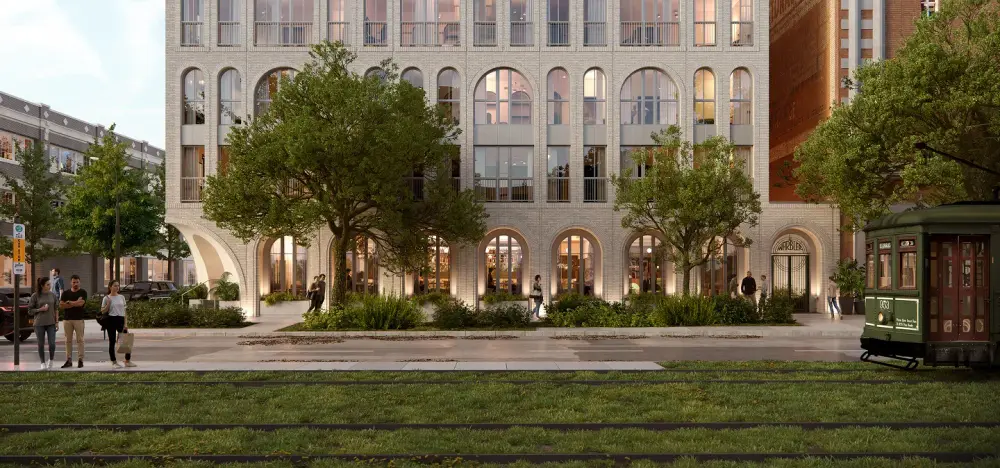
A Jazz Age-inspired conversion of the old Trolly Stop Cafe on St. Charles Avenue
Announced · Late 2026New Orleans, Louisiana
Omni New Orleans
A 1,000-room, $600 million headquarters hotel across from the Ernest N. Morial Convention Center, the city's first large hotel construction since 1982, targeted for 2029.
Announced · 2029Iconic hotels in New Orleans
New Orleans
Hotel Monteleone
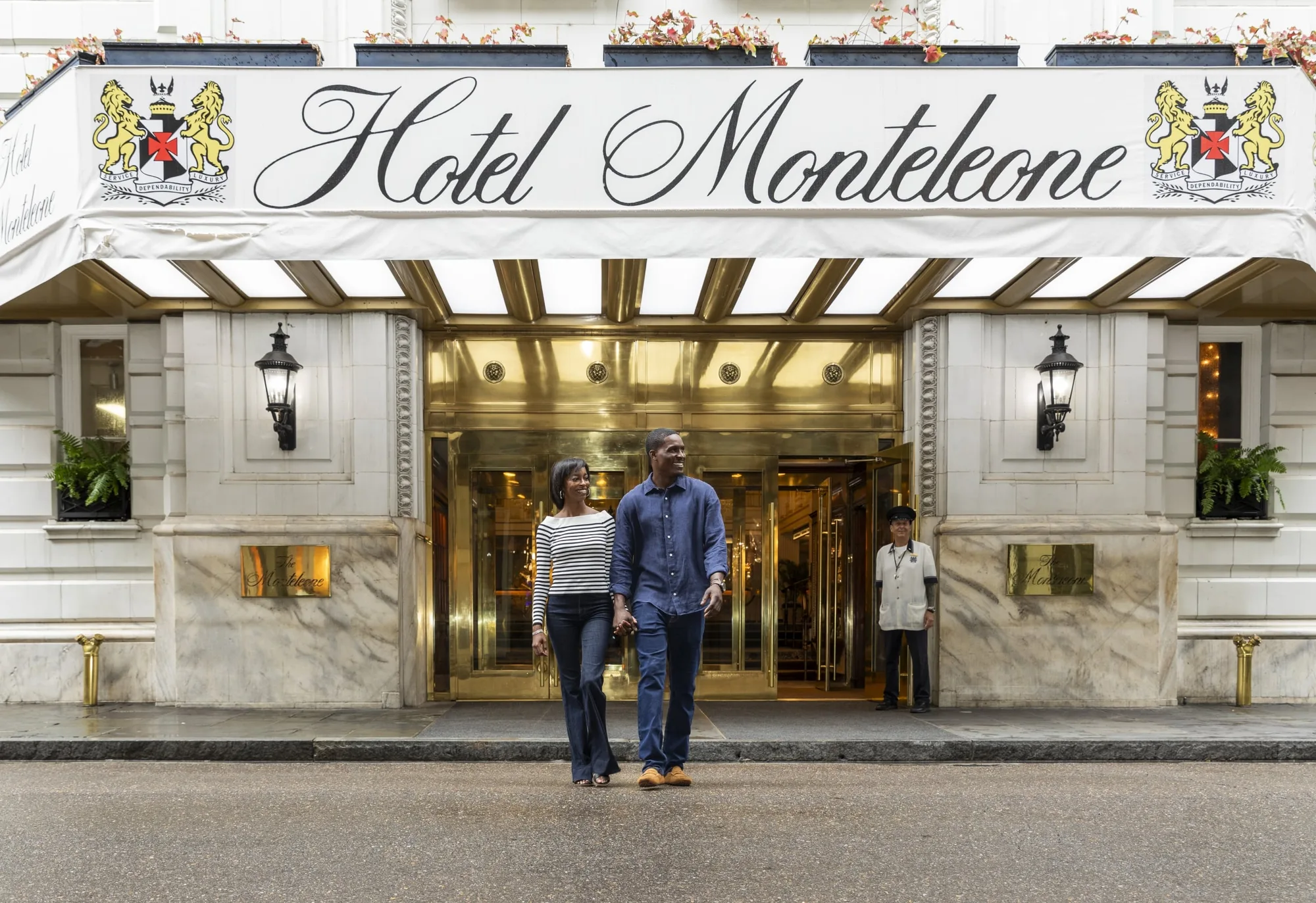
Run by the same family since Sicilian immigrant Antonio Monteleone bought a small French Quarter hotel in 1886, it's best known for the rotating Carousel Bar added in 1949 and for a roster of literary guests — Hemingway, Faulkner, Tennessee Williams — that earned it an official literary landmark designation in 1999.
Learn more →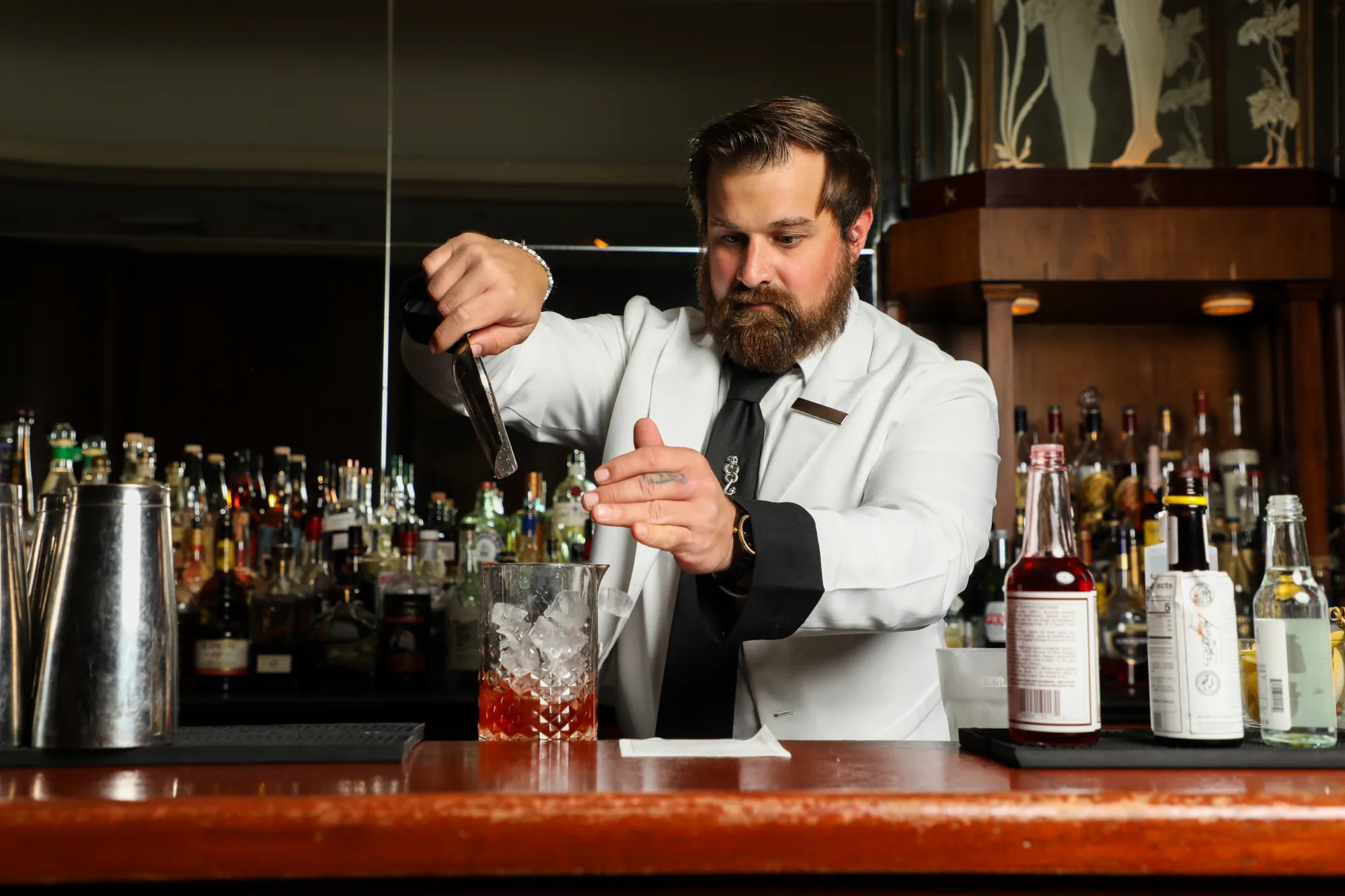
New Orleans
The Roosevelt New Orleans
Opened as the Hotel Grunewald in 1893 and renamed for Theodore Roosevelt in 1923, it's home to the storied Sazerac Bar and was Senator Huey Long's political headquarters through the 1930s — the hotel operates today as a Waldorf Astoria property after a post-Katrina restoration.
Learn more →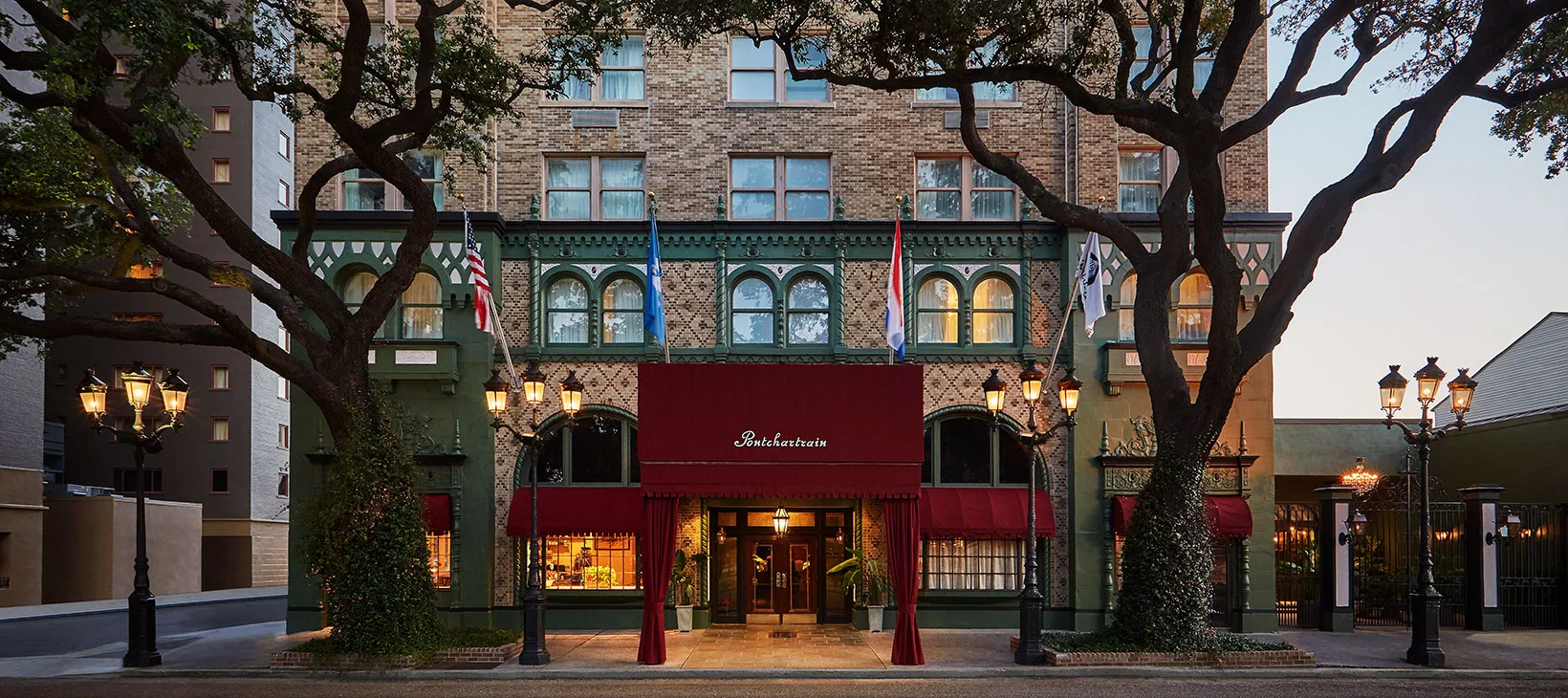
New Orleans
The Pontchartrain Hotel
A St. Charles Avenue landmark where Tennessee Williams worked on A Streetcar Named Desire during a stay, the Pontchartrain closed in 2007 and reopened in 2016 after a full renovation, its Hot Tin rooftop bar and Caribbean Room restaurant reviving traditions dating to the 1940s.
Learn more →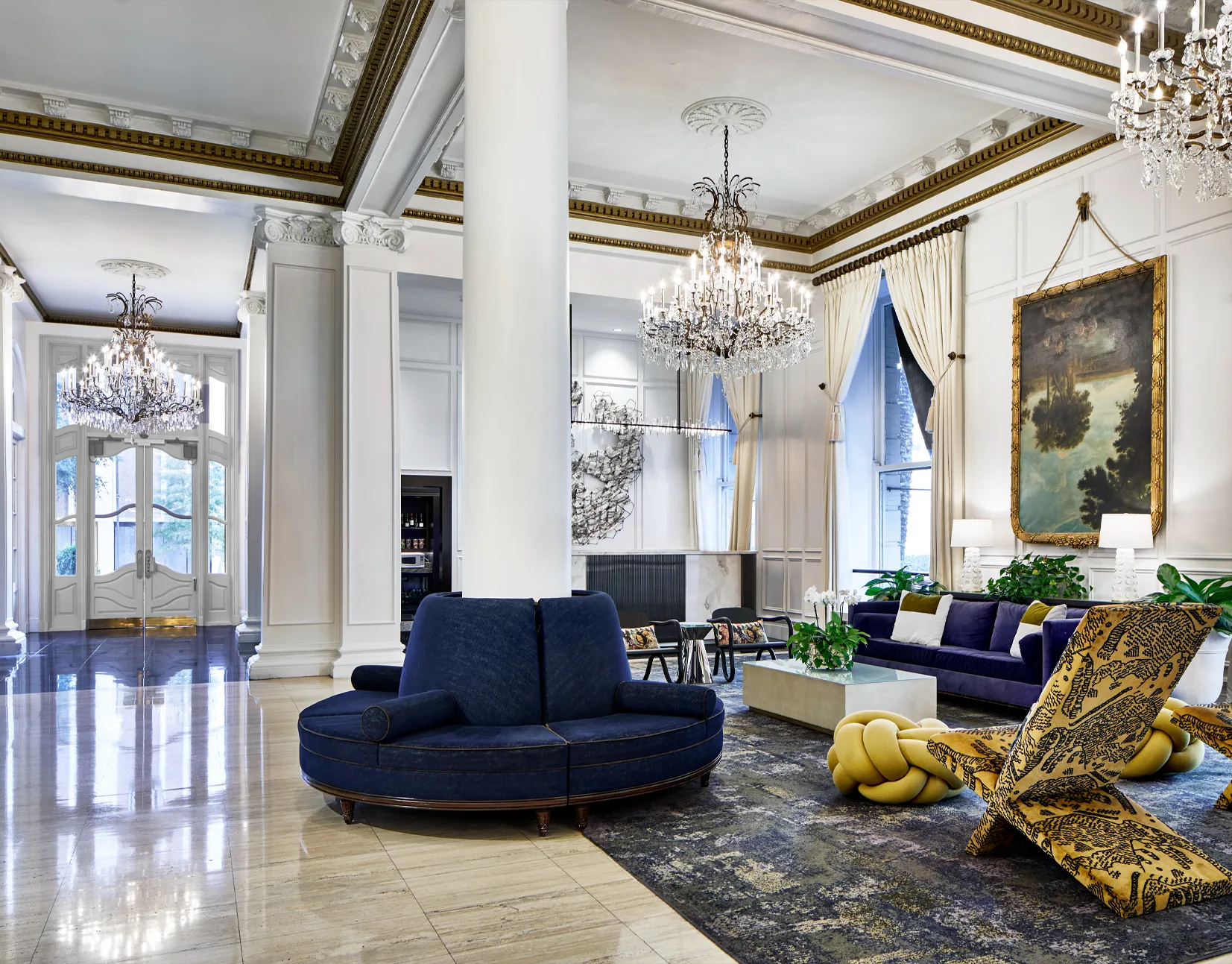
New Orleans
Le Pavillon Hotel
Opened in 1907 as the New Denechaud Hotel and renamed the DeSoto in 1913 before taking its current name in 1971, this Neoclassical hotel on Poydras Street has been listed on the National Register of Historic Places since 1991.
Learn more →New Orleans hotel supply splits into a handful of distinct pockets: the French Quarter for atmosphere and walkability, the Central Business District for convention-scale hotels, the Garden District and Uptown for quieter streetcar streets, and Marigny/Bywater for live music and independent guesthouses. The newest addition is the Fairmont New Orleans, reviving the brand after a twenty-year absence inside a converted 1970s bank tower on Common Street in the CBD, with rooms expected in late 2026. Pick a neighborhood based on how much nightlife noise you want outside your door.
What to do
A weekend in new-orleans
A first weekend in New Orleans centers on the French Quarter: Jackson Square, St. Louis Cathedral, the French Market, and beignets at Café du Monde by day, then Bourbon Street or Frenchmen Street in the Marigny for live jazz and blues after dark. Add a ride on the St. Charles Streetcar, the oldest continuously operating streetcar line in the world, through the Garden District, and a stop at the National WWII Museum or Ogden Museum of Southern Art in the Warehouse District.
A full week
A full week leaves room for a walking tour of the Garden District's 19th-century mansions and Lafayette Cemetery No. 1, an afternoon on Magazine Street's boutiques and restaurants, Audubon Park and the zoo in Uptown, and a swamp tour or plantation day trip outside the city. City Park and the New Orleans Museum of Art, Mardi Gras World, and a deeper crawl through Bywater's galleries and music venues fill out the rest of the itinerary.
Neighborhoods
French Quarter (Vieux Carré)
The historic core of New Orleans, laid out since 1718, is where most first-time visitors want to sleep: Bourbon Street, Jackson Square, St. Louis Cathedral, and the French Market are all within walking distance. Hotel supply here is dense and mostly historic: boutique properties in converted townhouses and courtyard buildings, with rates that climb sharply during Mardi Gras and Jazz Fest. It's the most romantic and the noisiest base at once; rooms away from Bourbon Street itself are the quieter pick for a couple's trip or a quiet-night stay.
Central Business District & Warehouse/Arts District
Across Canal Street from the French Quarter, the CBD is downtown New Orleans's office, convention and hotel core, home to the Ernest N. Morial Convention Center, the Caesars Superdome and, in the adjoining Warehouse/Arts District, the National WWII Museum and a cluster of contemporary art galleries. This is where the city's newest large-scale hotel is landing: the Fairmont New Orleans is opening inside the former Bank of New Orleans Building at 1010 Common Street, a 31-story tower converted into 250 rooms with a rooftop pool overlooking the river and the Quarter. The CBD suits business and convention travelers who want proximity to the Superdome and Convention Center along with an easy walk into the French Quarter.
Garden District
Just upriver of downtown, the Garden District is known for antebellum and Victorian mansions along oak-lined streets, Lafayette Cemetery No. 1, and the shops and restaurants of Magazine Street. The St. Charles Streetcar runs along its edge, connecting straight back to the CBD and the French Quarter without a car. Hotel stock leans toward smaller inns and converted mansions rather than large chains, making it a fit for couples and travelers who want a quieter, residential base within streetcar reach of the sights.
Marigny & Bywater
Faubourg Marigny and Bywater sit just downriver of the French Quarter and form the city's live-music and arts corridor, anchored by Frenchmen Street's cluster of jazz and blues clubs. Bywater adds colorful shotgun houses, galleries and an industrial-turned-bohemian feel along the river. Hotel supply here is smaller and more independent, guesthouses and boutique properties rather than convention hotels, which suits travelers prioritizing music and local restaurants over Bourbon Street crowds and convention-hotel scale.
Uptown
Further upriver past the Garden District, Uptown is a largely residential stretch of tree-lined streets around Tulane and Loyola Universities, Audubon Park and its zoo, and the long run of Magazine Street's shops and restaurants. The St. Charles Streetcar threads through it on its way from downtown. Hotel options here are fewer and skew toward smaller inns and extended-stay properties, making the area better suited to university-related travel, longer stays, or visitors who want distance from the Quarter's nightlife.
Which hotel for your trip
For a couple
A boutique hotel in the French Quarter away from Bourbon Street, or a small inn in the Garden District, both put you within walking or streetcar distance of dinner, jazz clubs and the riverfront without the noise of the party blocks. Once it opens, the Fairmont New Orleans adds a higher-design option in the CBD, with its rooftop pool and 31st-floor bar aimed partly at exactly this kind of trip.
For business and convention travel
The Central Business District is the default base for anyone attending an event at the Ernest N. Morial Convention Center or the Caesars Superdome, with the largest concentration of full-service hotels and meeting space in the city. The Fairmont New Orleans, with roughly 20,000 square feet of event space across two floors, is built specifically for this kind of stay alongside leisure guests.
For live music and nightlife
Frenchmen Street in the Marigny is the local alternative to Bourbon Street for jazz and blues, with a denser concentration of independent clubs and fewer tourist crowds. A hotel in the Marigny, Bywater, or the quieter edge of the French Quarter keeps that scene within walking distance without the noise of staying directly on Bourbon Street.
With children
Uptown, near Audubon Park and its zoo, or the CBD, close to the aquarium and the National WWII Museum, both work well for families who want attractions within a short walk or streetcar ride, plus daytime activity beyond restaurants and bars. Downtown hotels also tend to have easier stroller and elevator access than the historic Quarter buildings.
Frequently asked questions
What is the newest hotel opening in New Orleans?
The Fairmont New Orleans, reviving the Fairmont brand in the city after roughly two decades away, is opening inside a converted 1970s bank tower at 1010 Common Street in the Central Business District. It brings 250 rooms, a rooftop pool with river and French Quarter views, and a 31st-floor bar, with an opening expected in late 2026.
Which neighborhood should I choose for a first trip to New Orleans?
The French Quarter puts you within walking distance of Jackson Square, Bourbon Street and the French Market, while the Central Business District offers newer, larger hotels a short walk away across Canal Street. Both are reasonable first-timer bases; the choice mostly comes down to how much late-night noise you want outside your window.
Is there a New Orleans hotel with a rooftop pool and spa?
The Fairmont New Orleans is being built around a rooftop pool deck facing the Mississippi and the French Quarter, along with a roughly 10,000-square-foot spa and fitness center, once it opens in the CBD in late 2026. A handful of other Warehouse District hotels also offer rooftop pools.
Where should I stay in New Orleans for live jazz and nightlife?
Frenchmen Street in the Marigny is the go-to strip for jazz and blues clubs favored by locals, an easy walk from the eastern edge of the French Quarter. Bourbon Street, inside the Quarter itself, is the louder, more tourist-driven alternative: pick a hotel a few blocks off it for a quieter night's sleep.
How far are New Orleans hotels from the airport?
Louis Armstrong International Airport (MSY) sits roughly 15 miles west of downtown, with drive times to French Quarter or CBD hotels typically running 25 to 40 minutes depending on traffic. A rideshare or taxi is the most common route in; a public bus connection is also available for a lower fare.