South Carolina, United States
New hotels in Charleston
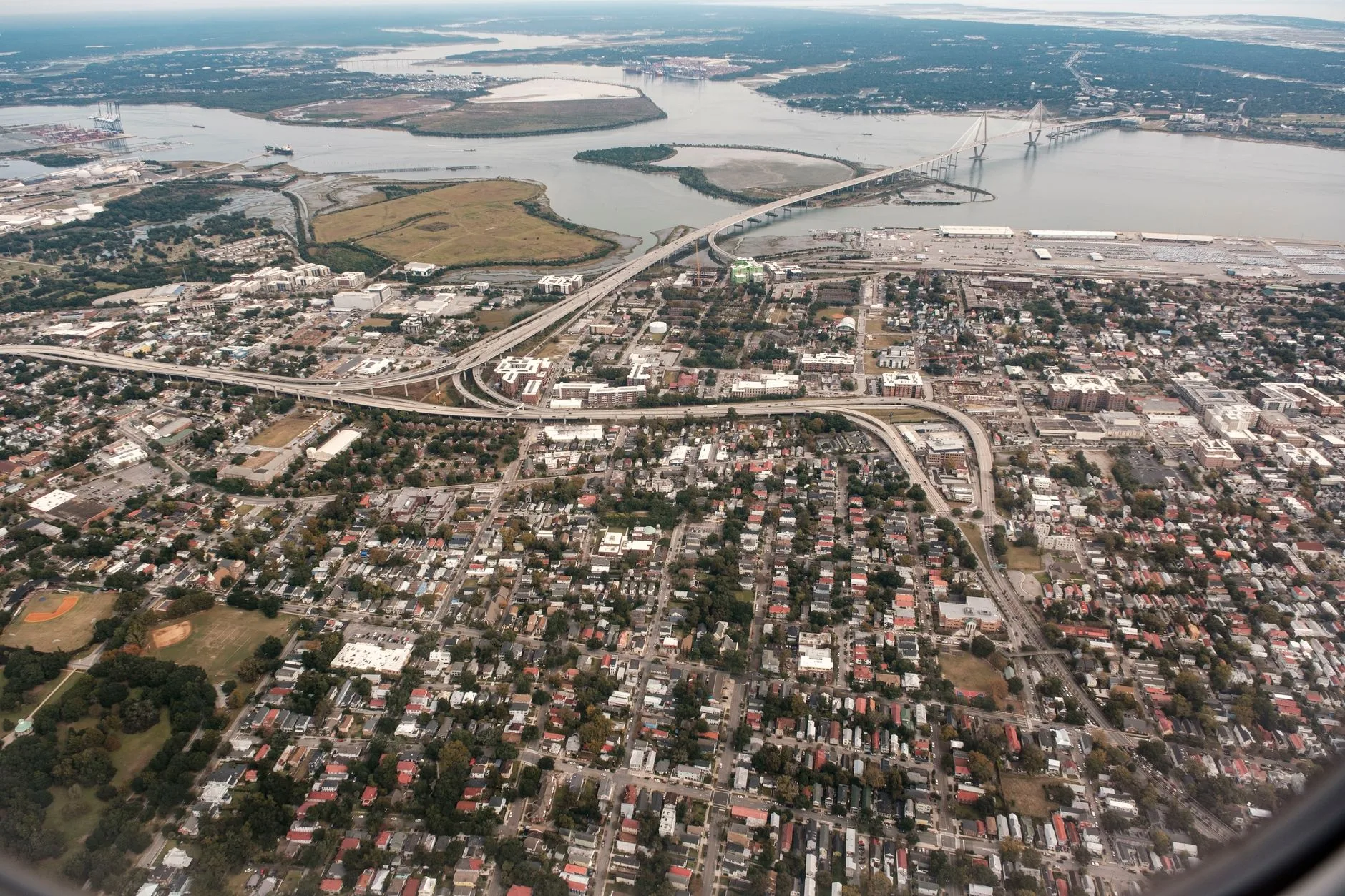
South Carolina's historic port city, where Four Seasons is building its first Charleston hotel a few blocks from City Market.
Now open in Charleston
No verified openings in Charleston yet.
Coming soon in Charleston
Charleston's Historic District — the peninsula between the Ashley and Cooper rivers, where they meet the Atlantic at Charleston Harbor — is one of the best-preserved 18th- and 19th-century urban cores in the United States. We track one confirmed project here: Four Seasons Hotel and Residences Charleston, a 139-room hotel paired with 36 branded residences at 155 Meeting Street, a few blocks from City Market. Originally targeted for 2028, a December 2025 developer update pushed the opening to 2029.
What to do in Charleston
For a weekend
Walking the Historic District covers most of a first visit: King Street for shopping and restaurants, the City Market's row of 19th-century sheds a few blocks east toward the harbor, and Rainbow Row's pastel houses along East Bay Street leading down to The Battery, where the Ashley and Cooper rivers meet the Atlantic. Charleston Harbor boat tours run out to Fort Sumter, where the Civil War began, and the city's restaurant scene — built on Lowcountry cooking, from shrimp and grits to she-crab soup — has drawn national attention for well over a decade. A horse-drawn carriage tour through the Historic District's cobblestone side streets remains one of the more traditional ways to get an overview before choosing which house museums or gardens to visit on foot.
For a longer stay
With more time, the Charleston Museum, founded in 1773 and often cited as the oldest museum in the United States, and the Gibbes Museum of Art both sit inside the Historic District. Across the Cooper River via the Arthur Ravenel Jr. Bridge, Mount Pleasant adds Patriots Point and its retired aircraft carrier, and the beaches on Sullivan's Island and Isle of Palms are a short drive beyond that. Every May and June, Spoleto Festival USA fills the city's theaters and churches — Charleston's nickname, "the Holy City," comes from the dense cluster of steeples visible across its low-rise skyline. South of Broad Street, the peninsula's oldest and grandest residential blocks are worth a slower walk for anyone interested in antebellum architecture rather than shopping or dining, and several of the grandest private homes along this stretch open for guided tours on a rotating schedule throughout the year. The hurricane season that runs June through November occasionally disrupts travel plans, with September historically the highest-risk month for the South Carolina coast, though the vast majority of visits pass without any weather disruption at all.
A city built on preservation
Charleston's low-rise, densely historic core survives largely because the city acted early to protect it: in 1931, Charleston passed the first historic preservation zoning ordinance in the United States, creating what's now known as the Old and Historic District and setting height, material and design rules that still shape what can be built on the peninsula today. That framework is a large part of why a project like Four Seasons Hotel and Residences Charleston has moved comparatively slowly through design review — any new building inside the Historic District answers to the city's Board of Architectural Review, not just to zoning and permitting alone. The peninsula has weathered real disasters since then, from the 1886 earthquake to Hurricane Hugo in 1989, and rebuilt each time within essentially the same historic footprint, which is also why the city's tourism economy today leans so heavily on its preserved architecture rather than newer development.
Around Charleston
Beyond the peninsula itself, the wider Charleston area adds real range to a longer trip. James Island and Folly Beach, across the Ashley River to the south, give the region a laid-back surf-town alternative to the Historic District's formality, with Folly's fishing pier and beachfront bars a popular half-day trip. Kiawah Island and Seabrook Island, roughly 25 miles southwest, anchor Charleston's golf and resort scene with championship courses and miles of undeveloped beach — a common pairing for visitors splitting a week between the city's history and the coast. West Ashley, directly across the Ashley River bridge from downtown, holds Charleston's suburban core along with Magnolia Plantation and Middleton Place, two of the area's oldest landscaped gardens, both open for tours, and the Angel Oak Tree on nearby Johns Island, estimated to be several hundred years old and among the largest live oaks east of the Mississippi. North Charleston, home to the airport and a growing aerospace and manufacturing base, adds a more industrial counterpoint to the peninsula's historic core, while Summerville, further inland, offers a smaller-town alternative for visitors wanting distance from the coast without giving up Lowcountry charm entirely. Closer to downtown, Boone Hall Plantation in Mount Pleasant is best known for its Avenue of Oaks — a canopy of centuries-old live oaks leading to the main house — and remains one of the region's most-photographed sites, alongside the gardens at Magnolia Plantation and Middleton Place across the Ashley River. None of these areas currently carry a tracked hotel opening of their own on this guide, but they're worth building into any Charleston itinerary that runs longer than a weekend. The Port of Charleston, one of the busiest container ports on the U.S. East Coast, and institutions like the College of Charleston and The Citadel military college round out a city economy that runs well beyond tourism, even if the Historic District's preserved streetscape is what most visitors come to see.
Where the Four Seasons fits
155 Meeting Street
Four Seasons Hotel and Residences Charleston is planned for a roughly two-acre site at 155 Meeting Street, near Horlbeck Alley in the Historic District, a short walk from both City Market and King Street. Strategic Property Partners — the development firm affiliated with Bill Gates' Cascade Investment, which alongside Saudi investor Kingdom Holding Company has held majority ownership of Four Seasons Hotels and Resorts since 2007 — is building 139 guest rooms alongside 36 branded residences, designed by Morris Adjmi Architects with interiors by Lark Design Studios and landscaping by Hollander Design. The Charleston Board of Architectural Review has approved the design, and site and stormwater work has been underway while the existing building on the site — a former Days Inn — awaits demolition. Once complete, it will be Four Seasons' first hotel anywhere in South Carolina, extending the brand's East Coast footprint beyond its existing properties in cities like Atlanta and Miami. The site's location, a few blocks north of the peninsula's oldest residential wards, puts it closer to the working end of the Historic District — nearer the modern city's hospitals and offices than the museum-house blocks south of Broad Street — which is part of why the project has drawn attention as a bridge between Charleston's historic core and its more contemporary growth.
What's planned inside
Plans call for four restaurants and bars, an outdoor pool with private cabanas, roughly 7,000 square feet of event space, a spa with private treatment rooms and hydrothermal facilities, a fitness center, curated retail, and a rooftop conservatory and terrace on the eighth floor. None of that is open yet: a December 2025 update from the developer pushed the targeted completion from an initial 2028 estimate to 2029, tied to the demolition of the existing building slipping into early 2026. The rooftop conservatory in particular sets the project apart from most of Charleston's existing hotel stock, which skews toward restored historic buildings with limited roofline space — an eighth-floor vantage point over the Historic District's church steeples and low-rise rooftops would be a genuinely new kind of view for the city.
Which hotel for your trip
With only one hotel confirmed for Charleston on this guide, the more relevant question for most travelers today is timing rather than choice. Anyone planning a trip before 2029 will need to look at Charleston's existing, non-tracked hotel stock in the meantime — this guide will update as soon as Four Seasons Hotel and Residences Charleston has a firmer date. Couples and design-focused travelers are the property's clearest fit on paper: a Morris Adjmi-designed building with Lark Design Studios interiors, an eighth-floor conservatory and a spa built around hydrothermal facilities point toward a splurge stay rather than a family base. Travelers drawn to branded residences rather than a standard hotel room should note the project pairs 36 residences alongside its 139 guest rooms, a structure aimed as much at buyers as at overnight guests. Business travelers attending a Charleston conference should factor in the roughly 7,000 square feet of event space once it opens, though the property's Historic District address, a short walk from King Street and City Market, points more toward leisure than a convention-center commute. Wedding parties and event planners weighing Charleston as a venue city will also want to track this opening closely, given how much of the Southern wedding industry already centers on the peninsula's historic venues. Food-focused travelers have reason to watch this opening too: Charleston's restaurant scene has produced a steady run of nationally recognized chefs over the past two decades, and the four planned restaurants and bars inside the new Four Seasons will be competing directly in a city where dining is already a primary draw, not an afterthought to the hotel itself. Golf and outdoor travelers weighing a longer South Carolina stay should note that Kiawah Island's championship courses sit a comfortable day-trip drive south, making it easy to pair a Historic District stay with a coastal round or two.
Frequently asked questions
What is the newest hotel coming to Charleston?
Four Seasons Hotel and Residences Charleston, announced in 2025 for 155 Meeting Street near Horlbeck Alley in the Historic District, a short walk from City Market and King Street — the brand's first Charleston property, combining 139 guest rooms with 36 residences.
When does the Charleston Four Seasons open?
The developer's most recent update, from December 2025, targets 2029 — a year later than the original 2028 estimate, tied to a delayed demolition of the existing building on the site, which was still standing as of early 2026.
What is Charleston's Historic District?
The peninsula between the Ashley and Cooper rivers that makes up Charleston's original city core, including King Street, the City Market, Rainbow Row and The Battery — protected since 1931 by the first historic preservation zoning ordinance in the United States, and home to the dense cluster of church steeples behind the city's "Holy City" nickname.
What is the closest airport to Charleston?
Charleston International Airport, about 12 miles north of downtown in North Charleston — also home to a growing Boeing manufacturing presence, alongside the passenger terminal most visitors will use to fly in and out of the city.
Is Charleston walkable?
Yes — the Historic District's core, from King Street to the waterfront at The Battery, is compact enough to cover on foot, and cobblestone side streets and carriage tours make a slower pace easy. Summer heat, humidity and hurricane-season storms (June through November) are worth planning an itinerary around, though.
Are there beaches near Charleston?
Yes — Folly Beach and James Island sit a short drive south of downtown, Sullivan's Island and Isle of Palms are across the Cooper River bridge to the east, and Kiawah and Seabrook Islands, about 25 miles southwest, add a golf-and-resort coastal option.