Arizona, United States
New hotels in Paradise Valley
Paradise Valley is a small, affluent resort town between Phoenix and Scottsdale, known for Camelback Mountain and low-rise luxury resorts, now home to Arizona's newest Ritz-Carlton development.
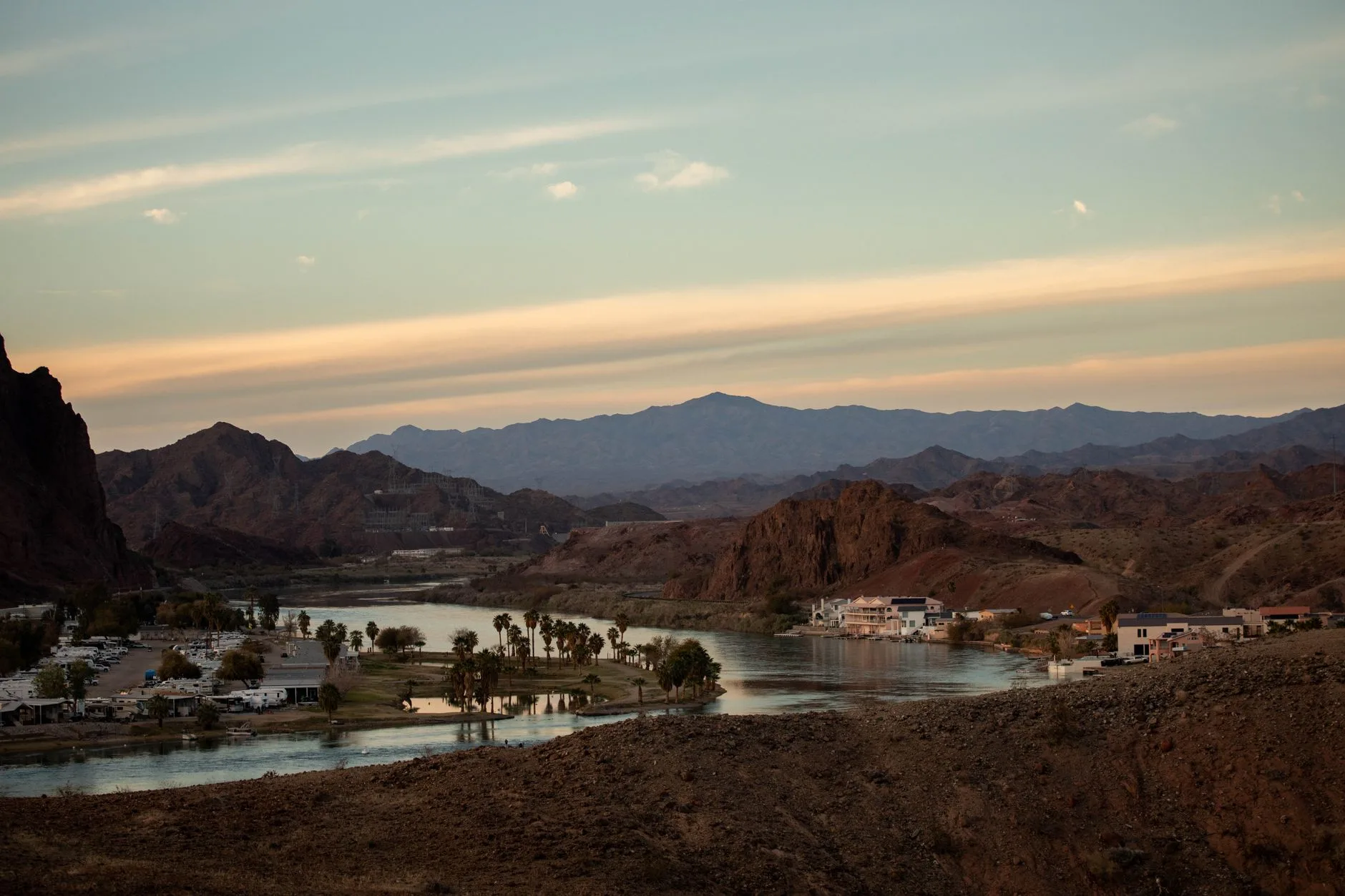
Now open in Paradise Valley
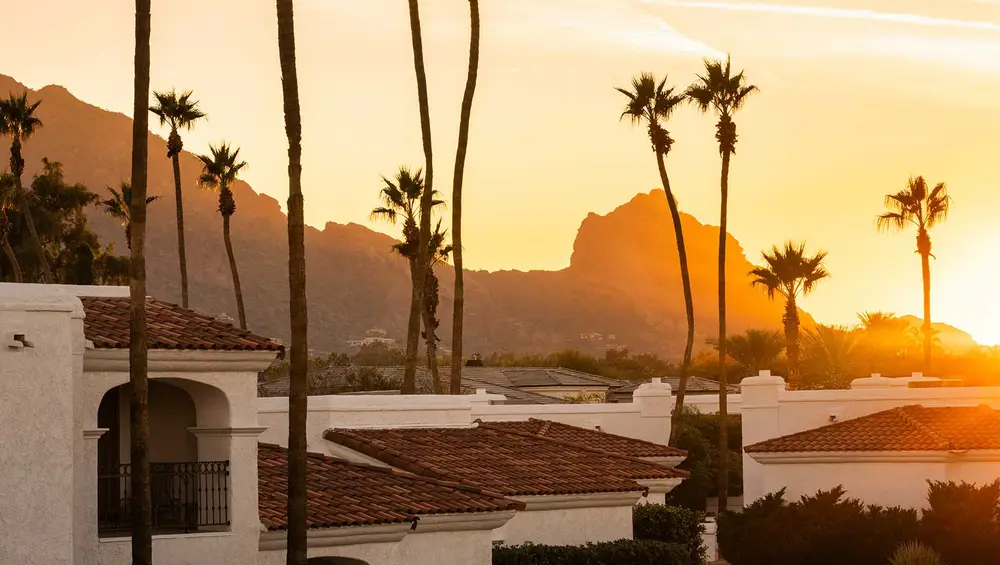
Coming soon in Paradise Valley
Paradise Valley is a small, affluent town wedged between Phoenix and Scottsdale at the foot of Camelback and Mummy Mountains, and, historically, one with very few hotels of any kind at all. That's changing with a single project we track: The Ritz-Carlton, Paradise Valley, The Palmeraie, a planned 215-room resort reported to be the first new-build Ritz-Carlton anywhere in North America in over a decade. Construction is reportedly far along, but developer Five Star Development's Chapter 11 bankruptcy filing in November 2025 has left the opening date unconfirmed.
What to do in Paradise Valley
For a weekend
Camelback Mountain, rising directly out of the town, is the area's best-known landmark and one of the Phoenix area's most popular hikes: the Echo Canyon and Cholla trails are both self-guided public routes that climb it, though both are steep and exposed enough to warrant an early start in warmer months and are frequently closed on the hottest summer afternoons for hiker safety. Paradise Valley has no real downtown commercial strip or pedestrian core of its own: long-standing height and density limits have kept the town almost entirely residential and resort-based, so getting between trailheads, resorts and neighboring Scottsdale or Phoenix generally means driving or a rideshare rather than walking. Most dining and shopping trips head into neighboring Old Town Scottsdale, a short drive away, for its galleries, restaurants and nightlife.
For a longer stay
With more time, the Desert Botanical Garden and Taliesin West, Frank Lloyd Wright's winter home and school, both sit within easy reach in greater Phoenix and Scottsdale. Cosanti, architect Paolo Soleri's original studio and gallery (a precursor to his better-known Arcosanti project further north) sits inside Paradise Valley itself, one of the few cultural sites actually within the town's own boundaries. Paradise Valley's low-rise, walled-compound character comes from deliberate zoning choices going back decades, which is also why a handful of long-established resort names anchor the town's base at Camelback Mountain: a contrast to the town's near-total absence of newer hotel development until The Palmeraie. The wider Phoenix metro area's spring training baseball facilities, golf courses and desert hiking trails all sit within a short drive, making Paradise Valley a workable base for a broader Arizona itinerary rather than an isolated stop. Papago Park, straddling the Phoenix-Scottsdale border a short drive from Paradise Valley and home to both the Desert Botanical Garden and the Phoenix Zoo, adds another hiking and mountain-biking option with its own distinctive red-rock buttes. Old Town Scottsdale's gallery and restaurant district, a short drive from Paradise Valley's western edge, holds a regular Thursday-evening ArtWalk and a concentration of Southwestern and contemporary art galleries that make it a natural pairing with a Camelback Mountain hike earlier in the day.
A town built to stay small
Paradise Valley has kept itself deliberately different from its neighbors. Incorporated as its own municipality rather than being absorbed into Phoenix or Scottsdale, the town has long capped building heights, restricted commercial zoning and required large residential lots: choices that explain both its lack of a conventional downtown and its reputation as one of the more affluent small towns in the Phoenix metro area. Sitting in the Sonoran Desert, the town's landscape runs to saguaro cacti, desert scrub and the two mountains that frame it, Camelback and Mummy Mountain, both largely undeveloped despite sitting inside a dense metro area of several million people. Summers here are extreme (temperatures regularly exceed 100°F (38°C) between June and September) which is why the area's resort season, and most of its event and wedding calendar, concentrates in the cooler months from October through April. The town's population has stayed a small fraction of its neighbors' by design too, even as Phoenix and Scottsdale have grown into two of the largest cities in the American Southwest around it: a deliberate trade-off residents have generally supported in exchange for keeping the town's low-density, walled-compound character intact. That low-density approach has also kept Sonoran Desert wildlife closer to daily life here than in denser parts of the metro area: javelina, coyotes, roadrunners and the occasional rattlesnake are all a normal sight for anyone hiking or spending time around a Paradise Valley property's grounds. The saguaro cactus itself, protected under Arizona law and slow-growing enough that a mature specimen can be well over a century old, is as much a symbol of the town's landscape as Camelback Mountain is.
Paradise Valley's resort tradition
Long before The Palmeraie, Paradise Valley and its immediate Camelback Mountain border were already a winter retreat for wealthy visitors escaping colder climates, a role the area has played since the early 20th century. A handful of long-established, low-rise luxury resorts (among them properties operating under the Camelback Inn, Sanctuary and Mountain Shadows names over the decades) built the area's reputation around golf, spa culture and desert scenery rather than a conventional downtown. That tradition is part of why a project the scale of The Palmeraie stands out here: Paradise Valley has added very little new hotel supply in recent memory, even as neighboring Scottsdale has built out aggressively, and this project would be the town's most significant new hospitality development in years once it opens. The town's incorporation in the 1960s, driven partly by residents wanting to head off exactly the kind of denser commercial development that transformed Scottsdale, has kept that resort-and-residential balance largely unchanged for decades, which is also why a project of The Palmeraie's scale required years of planning and approvals before construction began.
Where The Palmeraie fits
A $2 billion development on the Scottsdale line
The Ritz-Carlton, Paradise Valley, The Palmeraie is planned as the centerpiece of The Palmeraie, a roughly 100-plus-acre, $2 billion mixed-use development straddling the Paradise Valley/Scottsdale line. Alongside the 215-room hotel, the project includes 80 branded Ritz-Carlton Residences villas, 32 Ritz-Carlton-branded Estate Homes, and a luxury retail and dining district: reported to be the first new-build Ritz-Carlton anywhere in North America in over a decade. The scale of the project is unusual for this specific stretch of the Valley: most of the area's existing luxury resorts occupy a single, self-contained parcel, while The Palmeraie combines a hotel, two tiers of branded residential product and a commercial district into one master-planned enclave, closer in structure to some of Scottsdale's larger resort-and-residential developments than to Paradise Valley's traditionally smaller, standalone properties.
Under court supervision since late 2025
Construction paused when developer Five Star Development filed for Chapter 11 bankruptcy protection in November 2025, aiming to block a foreclosure sought by lender Madison Realty Capital after a dispute over a $585 million construction loan. As of mid-2026 the case remains open in the U.S. Bankruptcy Court for the Southern District of Texas: the court has approved debtor-in-possession financing and cleared villa sales to continue, and infrastructure is reportedly substantially complete, but no firm hotel opening date has been made public. Chapter 11 reorganization, unlike Chapter 7 liquidation, is specifically designed to let a financially distressed borrower keep operating and building while it restructures its debts under court supervision, which is why villa sales and site work have continued even while the case remains open, rather than the project simply stalling outright. Debtor-in-possession financing of the kind approved here effectively lets the existing developer keep control of the project during the restructuring, rather than handing it to a court-appointed trustee: a distinction that matters for how quickly a project like this can move once the case resolves.
Which hotel for your trip
The Palmeraie is currently the only hotel project this guide tracks in Paradise Valley, so the more useful distinction is what kind of traveler it's aimed at once it opens rather than which option to pick among several. Golf and resort travelers already drawn to the Camelback Mountain area are the clearest fit: the project sits within the same low-rise, desert-luxury tradition as the town's long-established resorts, just under a new flag. Anyone comparing it against those existing options should know none of them are new openings this guide tracks: The Palmeraie is currently the only project of its kind here. Buyers interested in branded real estate rather than an overnight stay should note the residential component is substantial: 80 Ritz-Carlton Residences villas and 32 Ritz-Carlton-branded Estate Homes alongside the 215-room hotel, with villa sales reported to be proceeding even during the Chapter 11 process. Wellness and spa travelers should watch for amenity details as they're announced, given the project's positioning alongside other Ritz-Carlton resort properties and the area's long-running spa-and-golf tradition. Multi-generational family groups considering one of the residential villas rather than a standard hotel stay get a genuinely different product here: full villas with private outdoor space, aimed more at extended stays or family gatherings than a typical overnight resort room. Anyone planning a trip around a confirmed opening date should hold off for now: this guide keeps the project listed as "Announced" rather than "Confirmed" until the bankruptcy resolves and a firm date is public. Business travelers and anyone wanting a walkable town center should look toward Scottsdale or Phoenix instead: Paradise Valley itself has never had much beyond its resorts, its mountains and Cosanti, architect Paolo Soleri's original studio and gallery, one of the few standalone cultural sites inside the town's own boundaries.
Frequently asked questions
Is the Ritz-Carlton Paradise Valley still being built?
Yes. As of mid-2026, construction is continuing under court-supervised Chapter 11 proceedings, and infrastructure is reportedly substantially complete, though the bankruptcy process has meaningfully delayed the project's original completion timeline.
Is the project cancelled?
No. The bankruptcy court has approved debtor-in-possession financing to continue the project, and residential villa sales are proceeding even during the Chapter 11 process: there's no indication the resort itself has been abandoned.
When will it open?
The developer has targeted 2027, but given the ongoing bankruptcy proceedings, this guide will not upgrade the project's status from "Announced" to "Confirmed" until a firm, court-cleared opening date is made public.
Why did the developer file for bankruptcy?
Five Star Development filed for Chapter 11 bankruptcy protection in November 2025 to block a foreclosure sought by lender Madison Realty Capital, following a dispute over a $585 million construction loan tied to the broader Palmeraie development.
Is Paradise Valley the same as Scottsdale?
No: Paradise Valley is its own separately incorporated small town, wedged between Phoenix and Scottsdale, though it borders Scottsdale directly and the two are often treated as a single resort corridor by visitors.
What's the closest airport to Paradise Valley?
Phoenix Sky Harbor International Airport, a short drive from the town via Phoenix or Scottsdale, making Paradise Valley a workable base for a broader Arizona trip even though the town itself has little beyond its resorts, mountains and hiking trails.