New York, United States
New hotels in Rhinebeck
A Hudson Valley village roughly two hours north of New York City, where Soho House is restoring a historic 18th-century estate into its first countryside retreat.
Now open in Rhinebeck
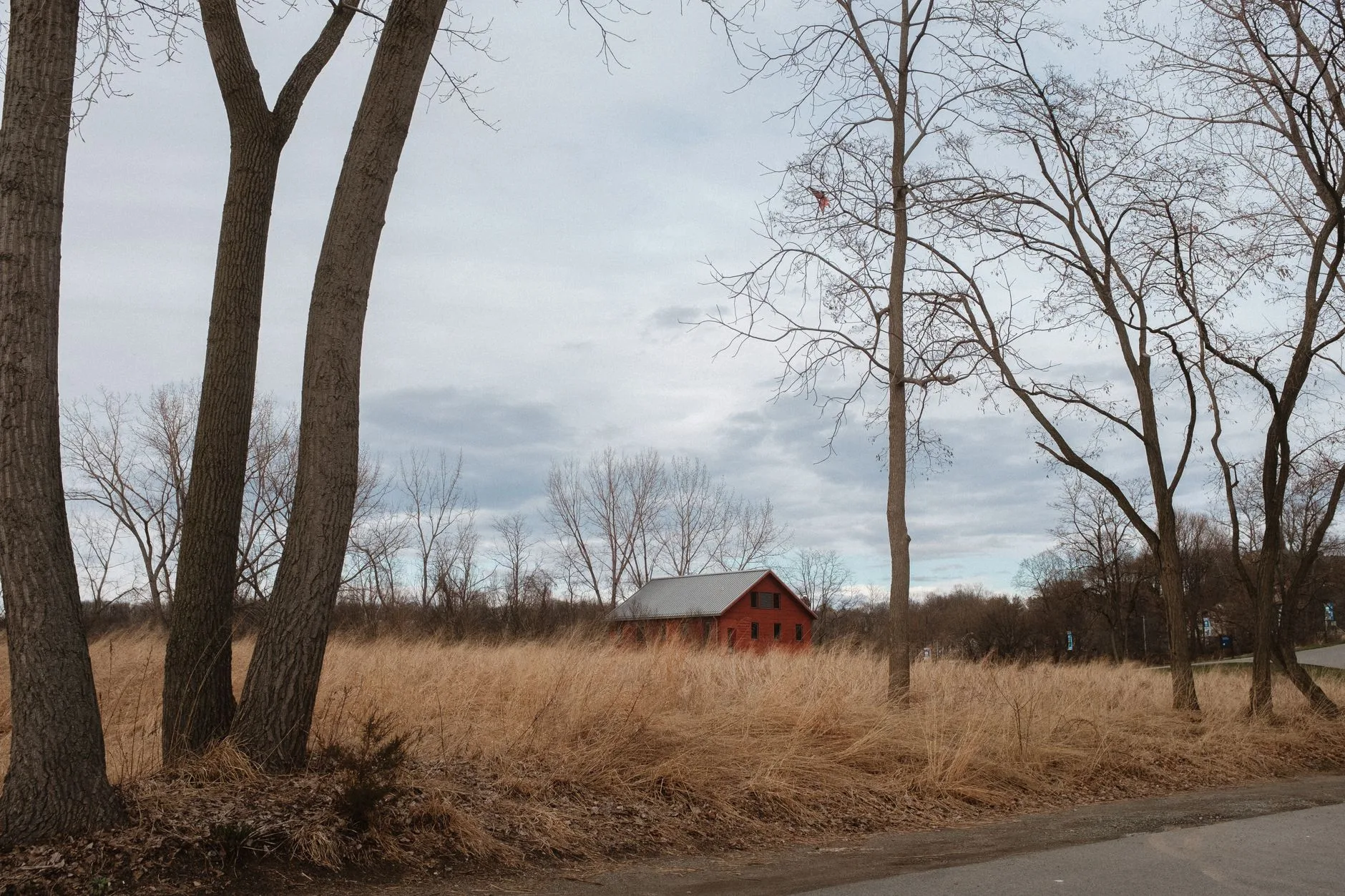
No verified openings in Rhinebeck yet.
Coming soon in Rhinebeck
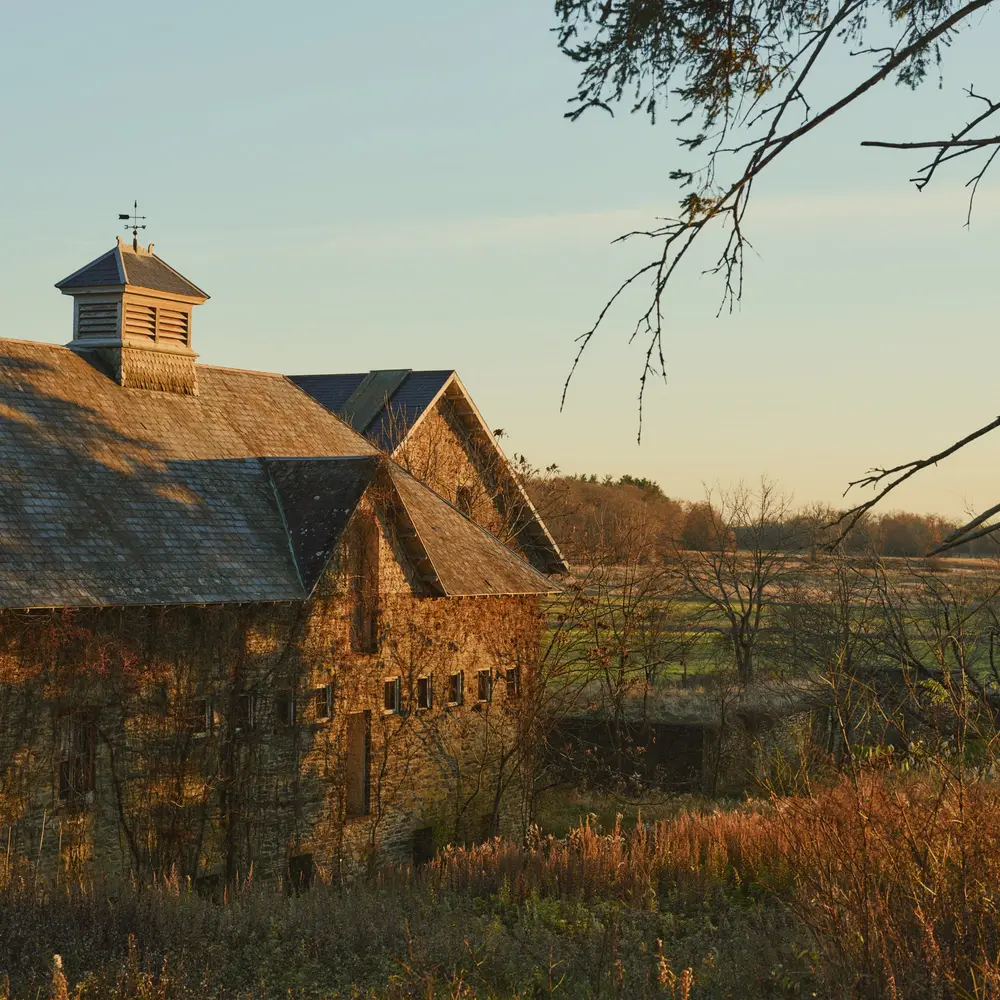
As of September 2026, New Hotels tracks one confirmed hotel opening in Rhinebeck: Soho House Rhinebeck, a members'-only retreat under construction on the historic Grasmere estate, targeted for 2027 or 2028. Rhinebeck itself is a Hudson Valley village of under 2,700 residents in Dutchess County (about 7,600 across the wider town), on the eastern bank of the Hudson River roughly two hours, about 90 miles, north of New York City. It has long drawn weekenders from the city for its antique trade and river scenery, but has had almost no branded hotel development until this project broke ground.
A brief history of Rhinebeck
European settlement here dates to 1686, when a group of Dutch settlers crossed the Hudson from Kingston and bought roughly 2,200 acres from three members of the Sepasco tribe; a tavern built in 1706 at the crossing of the King's Highway and an existing Sepasco trail became the seed of the village. Henry Beekman, who held a royal grant to most of the surrounding land, recruited about three dozen Palatine German families, refugees from the Palatinate region of southwestern Germany, to settle here as tenant farmers around 1714, and their community became known as "Rynbeck," the root of the town's current name. The 19th century brought a wave of grand river estates built by wealthy New York families along the Hudson bluffs north and south of the village, Wilderstein among them: a pattern of large, privately held landholdings that persisted long enough for one of them, Grasmere, to still be intact three centuries later when Soho House began negotiating for it. The antique trade that defines the village today took hold in the 20th century, as New Yorkers began weekending in the area in earnest and dealers filled Main Street's storefronts where general stores and taverns once stood.
What to do in Rhinebeck
For a weekend
Rhinebeck's village center is compact enough to cover on foot in an afternoon: Main Street and East Market Street hold the bulk of the antique shops, independent bookstores and cafes that have drawn weekenders from the city for decades. The walk takes you past the Beekman Arms, a multi-story tavern-turned-inn that has operated continuously since 1766 and is often cited as the oldest inn in the country, and its neighboring Henry Delamater House at 44 Montgomery Street: an 1844 Carpenter Gothic cottage designed by architect Alexander Jackson Davis, now part of the same inn complex and on the National Register of Historic Places since 1973. A short drive or bike ride from the village center brings you to Wilderstein Historic Site, a Queen Anne mansion on 40 acres of Hudson River bluff, built in the 1850s and remodeled in the 1880s for the Suckley family, whose grounds were laid out by landscape architect Calvert Vaux; the house is open for guided tours Thursday through Sunday from May to October, and the grounds and river-view trails are free to walk year-round. For a different kind of weekend, the Omega Institute for Holistic Studies, a 250-acre lakeside retreat campus on Lake Drive that runs workshops and conferences for roughly 25,000 people a year, operates seasonally from May to October a short drive from the village. If your visit falls between mid-June and mid-October, the Old Rhinebeck Aerodrome, a living aviation museum a few miles away in the neighboring town of Red Hook, runs vintage-biplane air shows on Saturday and Sunday afternoons, with one of the country's largest outdoor collections of World War I-era aircraft and rides available by appointment.
For a longer stay
With more time, the Dutchess County Fairgrounds (home to the Dutchess County Fair each August, one of the larger county fairs in the state) hosts smaller markets and events through the rest of the year, and a short drive south on Route 9 reaches Hyde Park, where the Franklin D. Roosevelt Presidential Library and Home, the Vanderbilt Mansion National Historic Site and the Culinary Institute of America's 170-acre, roughly 2,300-student campus, including its own Bocuse Restaurant, all sit within a few minutes of each other, on the same side of the river as Rhinebeck rather than across it. Continuing south, Poughkeepsie (the Dutchess County seat and a Metro-North Hudson Line terminus, roughly 90 minutes from Grand Central on the fastest express trains) is home to the Walkway Over the Hudson, a converted 19th-century rail bridge that is now the longest elevated pedestrian bridge in the world at 1.28 miles, standing 212 feet above the river between Poughkeepsie and Highland. Crossing the Hudson itself via the Kingston-Rhinecliff Bridge from the hamlet of Rhinecliff (a small riverside cluster of restored 19th-century buildings worth a stop in its own right, and also where Amtrak's Rhinecliff-Kingston station serves the Empire Service and Ethan Allen Express lines direct from New York's Penn Station) puts you in Kingston, New York's first state capital, with its 17th-century Stockade District of stone Dutch buildings.
Rhinebeck by season
Fall is Rhinebeck's peak season: the surrounding hills turn color roughly from late September through mid-October, and weekend traffic on Route 9 and the village's Main Street can be heavy, so it's worth booking lodging in the wider area well ahead if your trip falls in that window. Summer keeps the village lively without fall's crowding: the Old Rhinebeck Aerodrome's air shows are in full swing, the Dutchess County Fair takes over the fairgrounds for a week each August, and the village's antique shops and cafes stay busy through long daylight hours. Spring brings Wilderstein's grounds and the Omega Institute's campus back to life after winter, and is a quieter, greener alternative to fall for anyone chasing river views without the foliage crowds. Winter is the slow season: Wilderstein's house tours and the Aerodrome's air shows both wind down for the year in October and don't resume until spring or early summer, but the antique shops, bookstores and the Beekman Arms stay open year-round, and the village center takes on a quieter, small-town character that some visitors prefer to the fall rush.
Where to stay in Rhinebeck
Soho House Rhinebeck is the one project we track, and it's an unusual one to lead a small-town lodging guide: a private members' club rather than a hotel anyone can book. The retreat is being built around Grasmere, a roughly 250-acre former working farm centered on an 18th-century brick manor first raised in 1775 for Gen. Richard Montgomery, the highest-ranking American officer killed in the Revolutionary War, and rebuilt on its original foundations after an 1828 fire. The Town of Rhinebeck's Planning Board conditionally approved the site plan in 2022 but didn't clear it for construction until February 2026, after a multi-year review: a long runway that reflects how much scrutiny a project of this scale draws in a village this size. When finished, it will have 48 bedrooms split between the restored manor, 17 new eco cabins and additional cabin buildings, plus a roughly 250-person dining facility and a spa; membership, not a nightly rate, will be the way in.
Because it isn't open yet and never will be bookable by the general public, Rhinebeck's practical lodging options for now remain what they were before this project broke ground: small inns and bed-and-breakfasts in the village itself (the Beekman Arms & Delamater Inn among them, its guest rooms still spread across several historic buildings rather than one purpose-built block) plus a wider set of choices a short drive away in Rhinecliff, Red Hook, Kingston and the rest of Dutchess County. That's an honest gap for a village this well known to weekenders, and it's part of what makes Soho House Rhinebeck notable: it's the first large-scale hospitality investment the town has seen in a long time, whatever form its eventual guest list takes.
Which hotel for your trip
There's really one answer here, and it depends entirely on whether you're already a Soho House member. If you are, Rhinebeck adds a countryside retreat to the club's roster, distinguished by the depth of the historic restoration (a Revolutionary War-era manor, not a themed conversion) rather than by its amenity list; the mix of 12 manor bedrooms and 36 cabin bedrooms also gives it a different feel from Soho House's more urban locations, closer to a small country hotel than a city clubhouse. If you're not a member, this project won't be a lodging option for your trip regardless of when you visit; plan around the village's existing inns and B&Bs instead, and treat Grasmere's slow, carefully reviewed restoration as a story to watch rather than a stay to book. Given the multi-year path this project has already taken from planning approval to construction, it's also worth checking the latest opening estimate directly before finalizing any trip built around it, rather than assuming either end of the 2027-2028 range.
Frequently asked questions
Is there a new hotel opening in Rhinebeck?
Yes: Soho House Rhinebeck, a private members' retreat on the historic Grasmere estate, received final planning approval from the Town of Rhinebeck in February 2026 after a multi-year review, with an opening targeted for 2027 or 2028 depending on the source.
What is Rhinebeck known for?
A compact, walkable Hudson Valley village about two hours north of New York City, known for its antique shops, the centuries-old Beekman Arms inn, the annual Dutchess County Fair, and its proximity to the Culinary Institute of America and the FDR and Vanderbilt historic sites in nearby Hyde Park.
Is Soho House Rhinebeck open to the public?
No. Like other Soho House locations, it operates as a private members' club, with the 48 restored and newly built bedrooms reserved for members and their guests rather than the general public.
How do you get to Rhinebeck from New York City?
By car, it's roughly a two-hour, 90-mile drive north via the Taconic State Parkway or the New York State Thruway. By train, Amtrak's Rhinecliff-Kingston station, a few minutes from the village, is served by the Empire Service and Ethan Allen Express lines from Penn Station; Metro-North's Hudson Line to Poughkeepsie, a short drive south, is a second option.
What is the Grasmere estate?
A roughly 250-acre former working farm in Rhinebeck centered on an 18th-century brick manor built in 1775 for Revolutionary War Gen. Richard Montgomery and rebuilt after an 1828 fire, now being restored by Soho House into a 48-bedroom private retreat with new cabin buildings.
Is Rhinebeck walkable, or do you need a car?
The village center itself (antique shops, cafes, the Beekman Arms) is easily walkable. Wilderstein, the Omega Institute, Hyde Park and the Old Rhinebeck Aerodrome all sit a short drive away, so a car (or bike, for the closer sites) is worth having for anything beyond Main Street.
Where does the name Rhinebeck come from?
From "Rynbeck," the name given to the Palatine German tenant-farming community that Henry Beekman settled here around 1714. The Palatines came from southwestern Germany's Rhineland; "Beck" reflects the Dutch word for creek, a nod to the area's Dutch settlers who had arrived a generation earlier, in 1686.
When is the best time to visit Rhinebeck?
Fall, roughly late September through mid-October, is peak season for Hudson Valley foliage and the village's busiest weekends. Summer suits the Old Rhinebeck Aerodrome's weekend air shows and Wilderstein's guided tours, both of which run on a seasonal schedule through October.