New South Wales, Australia
New hotels in Wolgan Valley
A single, globally famous conservation resort on a 7,000-acre private valley inside the Greater Blue Mountains World Heritage Area, three hours from Sydney.
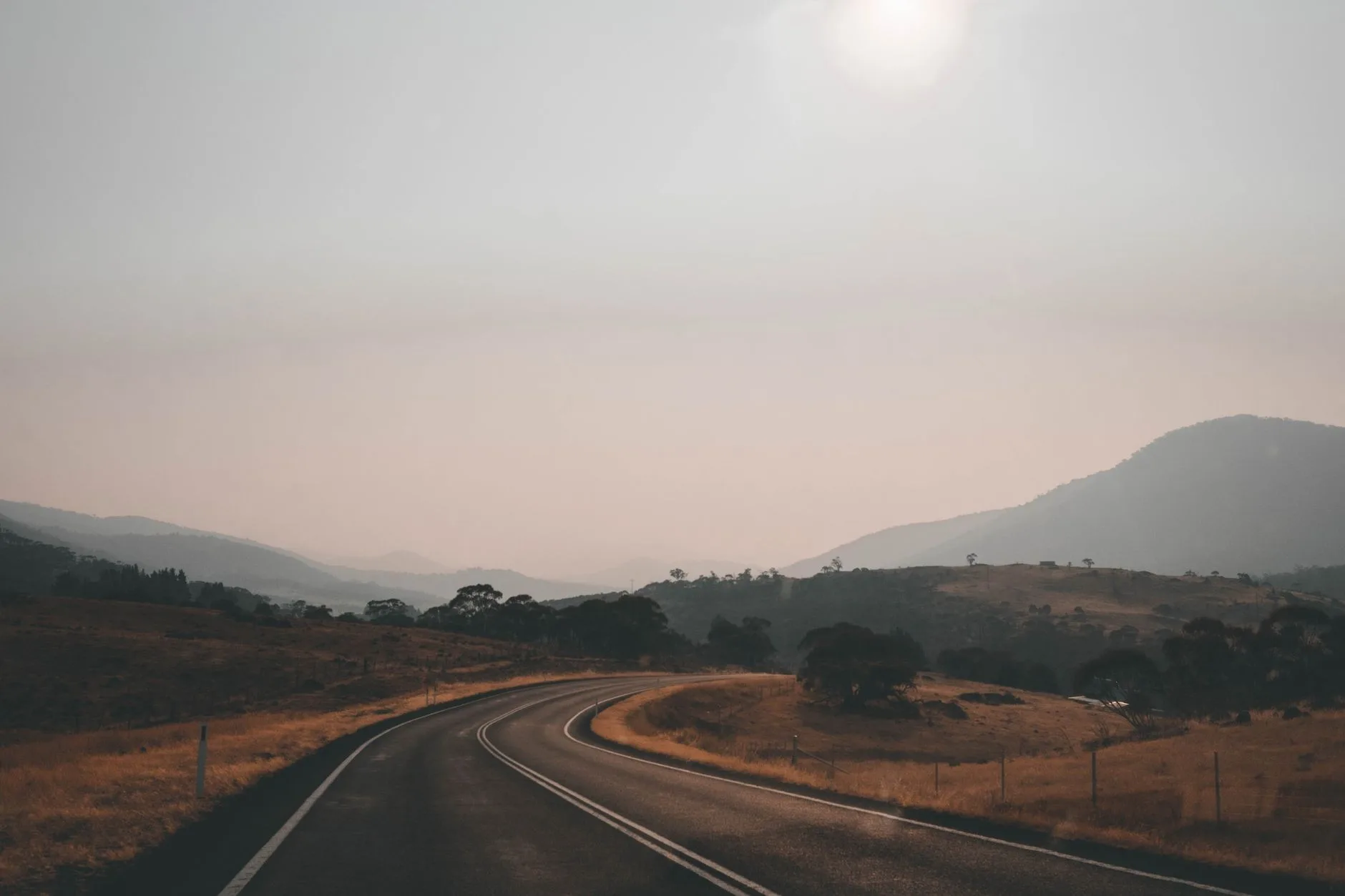
Now open in Wolgan Valley
No verified openings in Wolgan Valley yet.
Coming soon in Wolgan Valley
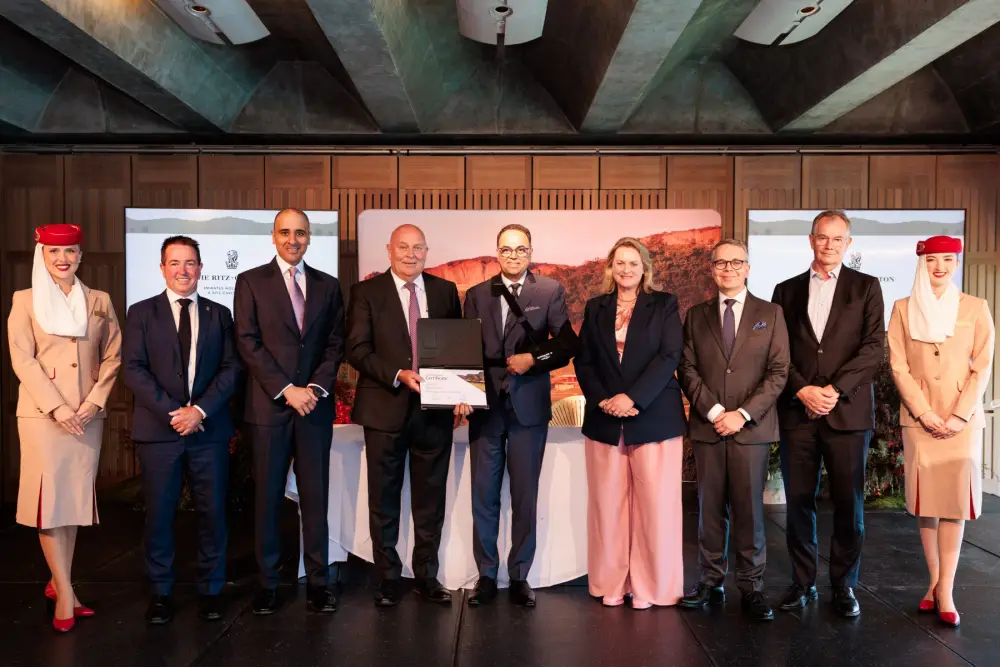
Wolgan Valley is a single, 7,000-acre private conservancy inside the Greater Blue Mountains World Heritage Area, about three hours by road from Sydney, and it has only ever had one hotel. Emirates Wolgan Valley, a Ritz-Carlton Lodge is that property's third act: the airline-owned conservation resort closed in 2023 after nearly two decades in operation and reopens in August 2026 as the debut property of an entirely new Ritz-Carlton sub-brand built for remote, nature-based luxury.
What to do in Wolgan Valley
For a weekend
A short stay here revolves almost entirely around the resort's own conservancy rather than a town center: there isn't one. Guided walks and wildlife drives across the valley's re-wilded grazing land, horseback riding from the property's equestrian stables, and an evening built around the resort's wine room and homestead-style sitting rooms cover a typical two-night visit. Emirates has run conservation and native-species programs on this land since buying it in 2006, so wildlife spotting (kangaroos, wallabies and the valley's bird life among them) is a built-in part of a stay here rather than an optional excursion. Tennis courts round out the on-site activity list for anyone wanting a break from wildlife-focused outings, and the valley's sandstone escarpments and cliff lines, typical of the wider Blue Mountains, are worth a slower look for anyone interested in the geology behind the World Heritage listing.
For a longer stay
With more time, the valley sits within the broader Greater Blue Mountains World Heritage Area, a UNESCO-listed network of sandstone plateaus, eucalypt forest and canyon country that also takes in Wollemi National Park immediately to the north and Gardens of Stone National Park to the west, both accessible on longer guided drives or hikes arranged through the resort. The nearby town of Lithgow, on the Central Tablelands side of the mountains, is the closest real town beyond the valley's gated entrance, though most guests base themselves entirely at the lodge given the all-inclusive format of a stay here. Travelers combining Wolgan Valley with the rest of a New South Wales trip typically route through the more developed, tourist-oriented townships on the Sydney side of the Blue Mountains, Katoomba and Leura among them, before continuing on to the valley itself, since the two areas, while part of the same World Heritage listing, sit roughly two hours apart by road. The wider region beyond Lithgow is also known for the Jenolan Caves, among the world's oldest known limestone cave systems, a worthwhile detour for visitors extending their trip further into the Central Tablelands rather than heading straight back to Sydney. Canyoning and abseiling operators based around the Blue Mountains' more visited townships offer another way to see the same sandstone country from a different angle, though these are typically booked separately from a Wolgan Valley stay rather than through the resort itself.
Conservation at scale
What sets Wolgan Valley apart from a standard luxury lodge is the scale and duration of the conservation work tied to the land itself. Emirates acquired the valley's former grazing properties in 2006 specifically to remove livestock, control feral predators and weeds, and allow native vegetation and wildlife to re-establish across the full 7,000 acres: a program that has now run for close to two decades, well before this latest reopening. That kind of sustained, large-scale rehabilitation on private land tied to a single hotel is unusual anywhere in the world, and it's a central part of what the resort has marketed since it first opened: guests join the same conservation and wildlife-monitoring activities that have run on the property for years, rather than a one-off nature experience bolted onto a standard resort stay. Wildlife sightings on the property have historically centered on native Australian species reestablishing themselves on the rehabilitated grazing land, kangaroos and wallabies chief among them, alongside a broad range of native bird life across the valley's woodland and grassland. The valley's remoteness (no nearby towns, no light pollution from a nearby city) also makes it a genuine dark-sky location, and stargazing is typically part of an evening's programming at the lodge.
The valley and its lodge
A conservancy before it was a hotel
Emirates bought the grazing land that makes up Wolgan Valley in 2006 specifically to rehabilitate it, running revegetation and wildlife programs on the property for close to two decades before this relaunch: a conservation mandate that predates the resort itself and continues to shape how the property is run. Emirates Wolgan Valley, a Ritz-Carlton Lodge is reopening on that same 7,000-acre footprint in August 2026, after the resort's most recent iteration closed in 2023 when access to the valley was disrupted. In between, the property spent a period operating as Emirates One&Only Wolgan Valley, a co-branding arrangement that has now given way to the new Ritz-Carlton partnership.
The lodge itself
The relaunched property keeps 40 suites, each with its own private pool, along with an arrival lounge and sitting room, a wine room, tennis courts and equestrian stables: an all-inclusive, safari-style format rather than a conventional room-and-restaurant hotel. It's also the debut property of the Ritz-Carlton Lodge, a new sub-brand Marriott has built specifically for remote, nature-based luxury rather than the group's usual city and beach hotels, backed by an AUD 50 million renovation on top of the roughly AUD 150 million Emirates has already invested in the site since 2006. A signature restaurant and bar built around the property's homestead-and-conservancy setting, a Ritz-Carlton Spa, and an outdoor pool separate from the suites' private plunge pools are all planned as part of the relaunch, though individual dining concepts and spa partners had not been named as of this writing. The homestead-style architecture itself, low-slung and built from timber and local stone, was designed from the outset to sit unobtrusively within the valley's grazing-land contours rather than to dominate the landscape: an approach that has carried through each of the property's three operating eras under Emirates.
Getting to Wolgan Valley
Most guests arrive by private transfer or self-drive from Sydney, a journey of roughly three hours that typically routes over the Blue Mountains via the Great Western Highway or the quieter Bells Line of Road before dropping down into the valley on unsealed private roads past a gated entrance. Travelers who've stayed at the property during its earlier iterations have also had the option of scenic helicopter transfers arranged directly through the resort, cutting the journey to well under an hour in the air. There's no train service or commercial airport anywhere near the valley itself: Sydney remains the practical gateway for any visit. Both driving routes over the mountains are scenic in their own right: the Great Western Highway runs through the more built-up townships of the upper Blue Mountains, while Bells Line of Road takes a quieter path further north through orchard country, and either can be paired with a stop in the region on the way in or out. Whichever route is chosen, the final approach to the valley itself runs on private, unsealed roads beyond a gated entrance: a deliberate part of the property's sense of isolation rather than an inconvenience to plan around.
Which hotel for your trip
Because Wolgan Valley has exactly one hotel, the more useful question is who this specific property suits rather than which one to pick. Couples and honeymooners looking for a genuinely remote, all-inclusive escape are the most obvious fit: the valley's isolation and the lodge's private-pool suites are built for exactly that kind of stay. Wildlife and conservation-minded travelers get a rarer draw: two decades of active re-wilding work on the same land the resort sits on, rather than a nature theme layered onto a standard luxury build. Photographers and stargazers benefit from the same isolation, since the valley's distance from any city keeps its night skies genuinely dark year-round, without the light pollution that affects most Australian resort destinations closer to a major metro area. Families with older children can make use of the equestrian stables and guided wildlife drives, though the all-inclusive, adults-lean tone of the original resort suggests checking current family policies directly with the property before booking. Corporate groups and small incentive-travel bookings are also a plausible fit for a property built around exclusivity and a single, self-contained conservancy: a full property buyout keeps a group entirely private in a way few other Australian resorts, urban or coastal, can realistically match. Business travelers and anyone wanting a walkable town beyond the hotel gates should look elsewhere: Wolgan Valley has no second hotel, no commercial strip, and a three-hour drive back to Sydney for anything beyond the conservancy itself.
Frequently asked questions
Is Wolgan Valley a town?
No. It's a privately owned, 7,000-acre conservancy inside the Greater Blue Mountains World Heritage Area, roughly three hours from Sydney by road, built around a single luxury resort rather than a town or city center: there's no commercial strip, school or residential population beyond the property itself.
What is the hotel in Wolgan Valley?
Emirates Wolgan Valley, a Ritz-Carlton Lodge: the relaunch of a conservation resort Emirates has owned and operated since 2006, reopening in August 2026 as the debut property of a new Ritz-Carlton sub-brand built for remote, nature-based luxury rather than the group's usual city and beach hotels.
How do you get to Wolgan Valley?
The valley sits roughly a three-hour drive from Sydney, in the Central Tablelands region of New South Wales near the town of Lithgow, within the Greater Blue Mountains World Heritage Area. There's no public transit hub in the valley itself, and the final approach runs on private, unsealed roads: access is arranged directly through the resort.
Has this resort operated under other names?
Yes. The same conservancy previously operated as Emirates Wolgan Valley Resort & Spa from 2006 and, for a period, as Emirates One&Only Wolgan Valley, before closing in 2023 and reopening under the new Ritz-Carlton Lodge sub-brand and partnership.
What's the weather like in Wolgan Valley?
The Blue Mountains region sees a genuine seasonal range: warm to hot summers (December to February), cooler winters (June to August) with occasional overnight frost at elevation, and generally mild, popular shoulder seasons in spring and autumn, worth factoring in when planning outdoor activities like horseback riding or guided walks.
Can I visit Wolgan Valley without staying at the resort?
No: the valley is privately owned and gated, and there's no public road access or day-visitor program; a stay at the resort is the only way to see the conservancy itself, or its resident kangaroos, wallabies and bird life, up close, rather than from a passing car on the highway above.