Texas, United States
New hotels in East Austin
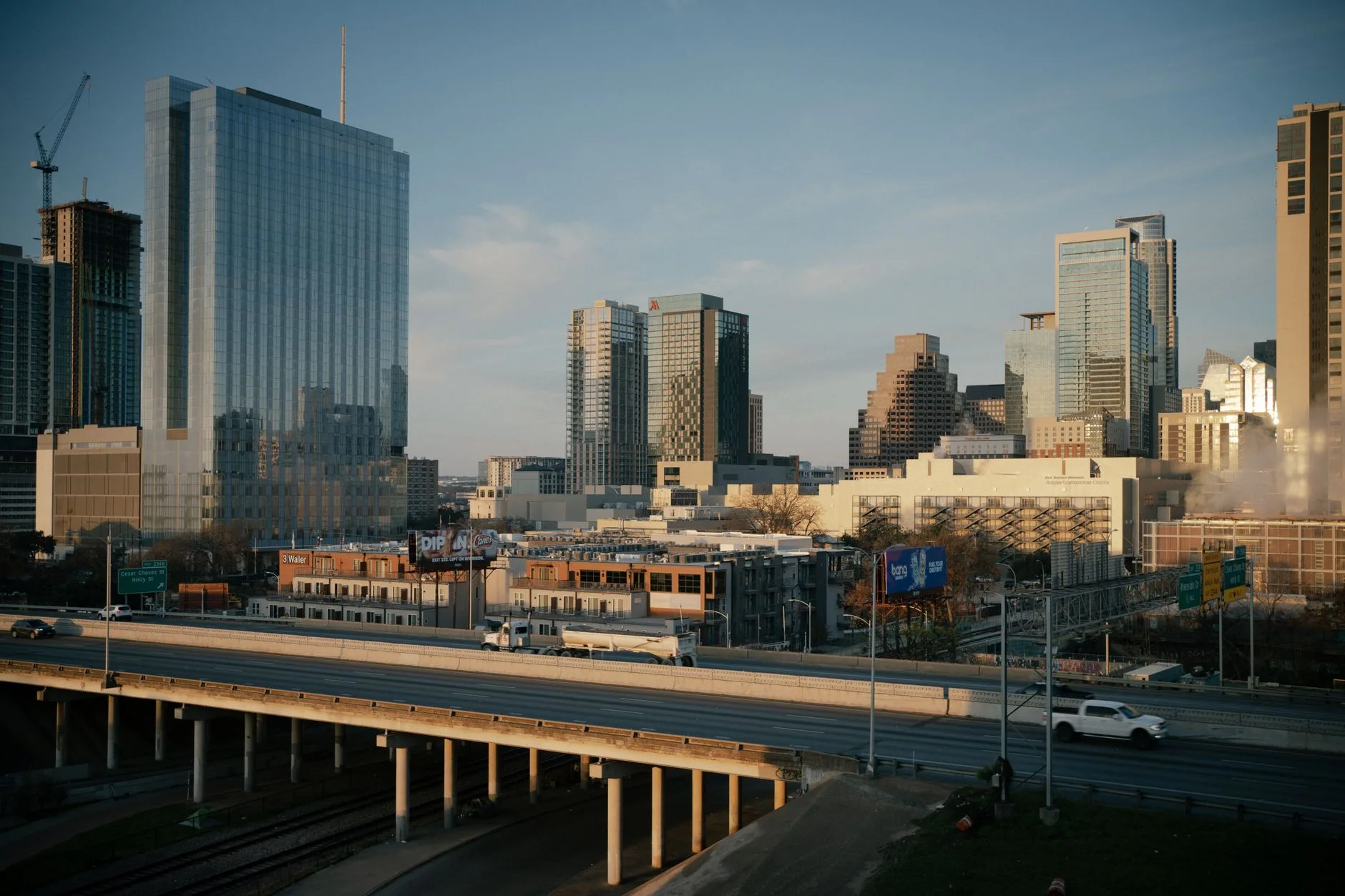
Austin's live-music and food-culture corridor east of downtown, where bohème, a room-by-room concept built around the neighborhood's identity, is confirmed for September 2026.
Now open in East Austin
No verified openings in East Austin yet.
Coming soon in East Austin
No confirmed openings ahead in East Austin for now.
We don't yet track a hotel specifically inside East Austin's boundaries. That's not a reflection of the neighborhood's popularity — East Austin, the area east of I-35, is one of Austin's most sought-after neighborhoods for live music, food trucks and nightlife, and a frequent recommendation in "where to stay in Austin" guides — it's simply that none of the hotels we currently track happen to sit inside this specific stretch of the city. Until one does, Austin's wider hotel scene, much of it a short walk or rideshare away across I-35, is the practical way to book a stay that still puts East Austin's restaurants and music venues within easy reach.
What to do
For a weekend
Walk the Comal Street and East 6th Street corridors in the evening — East Austin's densest concentration of restaurants, taco trailers and live-music bars, and an area locals often point to as Austin's best food-and-nightlife stretch outside downtown itself. Franklin Barbecue, on East 11th Street, is East Austin's single best-known destination for visitors: a barbecue restaurant with a reputation that draws lines well before opening most mornings, frequently cited among the best in Texas. A short walk from there, the historic stretch of East 11th and 12th Streets was once home to a cluster of Black-owned blues and jazz clubs during the era of segregation, including the Victory Grill, one of the few venues from that period still standing and operating as a live-music space today. Spend an afternoon at Canopy, an arts complex on Springdale Road with studios and galleries from local artists, or wander Rosewood Park, a green space at the heart of the historic Six Square African American Cultural Heritage District, which documents and celebrates the neighborhood's role in Austin's Black history and culture.
For a longer stay
With more time, Downtown Austin and Rainey Street are both a short walk or rideshare west across I-35, making it easy to split a longer trip between East Austin's food-and-music scene and the denser hotel and entertainment options on the other side of the highway. Mueller, a former municipal airport site north of central East Austin redeveloped into a mixed-use neighborhood with parks, retail along Aldrich Street and the Thinkery children's museum, is worth a visit for a different, more suburban side of East Austin's growth. East Cesar Chavez, along the southern edge of the broader East Austin area near Lady Bird Lake, has its own smaller cluster of restaurants and bars worth exploring on foot if you're staying nearby, and tends to draw a quieter, more residential crowd than the Comal Street strip further north. Cyclists can pick up the Boggy Creek Greenbelt or ride east along quieter residential streets to get a feel for the bungalow-lined blocks that predate the neighborhood's recent wave of new restaurants and infill development.
The neighborhood
East 6th Street and Comal Street: the food-and-music corridor
This stretch is East Austin's most visited by a wide margin, an extension of downtown's East 6th Street entertainment strip into a lower-key, more locally driven scene of bars, live-music venues and some of the city's most talked-about restaurants and food trailers. It's walkable in a way much of East Austin isn't, with a dense enough cluster of options that an evening here rarely requires a car or rideshare between stops. The mix leans toward smaller, independently run bars and restaurants rather than large venues, which is a big part of why the corridor reads as distinct from downtown's louder, more tourist-oriented Sixth Street strip just across I-35.
Six Square and the historic East Side
East Austin's identity is inseparable from its history as one of Austin's historically Black and Hispanic neighborhoods, formalized by the city's 1928 master plan, which concentrated Black residents and institutions in this part of the city through explicitly segregationist zoning. Six Square, Austin's official African American Cultural Heritage District, documents that history around Rosewood Park and the historic churches, businesses and music venues — including the Victory Grill — that trace back to that era, offering a more layered read on the neighborhood than its recent wave of restaurant openings alone.
Mueller and the neighborhood's newer edges
Mueller, built on the site of Austin's former municipal airport and redeveloped over the past two decades, represents a very different version of East Austin's growth: planned streets, parks and retail rather than infill development along existing blocks. It sits at the northern edge of what's commonly grouped under "East Austin" and reads more like a modern master-planned neighborhood than the denser, older streets closer to East 6th and Comal — a useful reminder that "East Austin" covers a genuinely wide range of built environments rather than one uniform strip.
Why East Austin keeps showing up in "where to stay" guides
It's worth being upfront about a slight mismatch: East Austin is one of the neighborhoods travelers most often ask about when planning an Austin trip, thanks to its food and music scene, yet it's also one where the hotel supply hasn't caught up with that demand — at least not among the properties we currently track. Part of that comes down to the neighborhood's built form: East Austin is largely low-rise residential streets with commercial strips along a handful of corridors, rather than the kind of larger parcels that make ground-up hotel development straightforward, unlike the high-rise-friendly blocks of Rainey Street or downtown. That's slowly changing as adaptive-reuse and boutique hospitality projects become more common in neighborhoods like this one across the U.S., so a first tracked opening here is plausible in the coming years even if none has been confirmed yet.
Best time to visit
Spring (March through May) and fall (October and November) bring Austin's mildest temperatures and line up with South by Southwest and Austin City Limits Festival season respectively, both of which draw heavily on East Austin's music venues and restaurants as overflow programming and after-hours spots. Summers are hot and humid, regularly well above 90°F (32°C) in the afternoon, which pushes most East Austin activity toward the evening — patios and live-music venues here are built with that heat in mind. Winters are mild by regional standards, rarely dropping below freezing, making East Austin's outdoor food-trailer scene workable nearly year-round.
Where to stay
No hotel we track currently sits inside East Austin itself. That's likely to change as Austin's hotel pipeline continues to grow — a neighborhood with this much sustained visitor interest for its food and music scene is a plausible target for a future opening — but for now, the practical approach is to book a hotel in Austin more broadly and treat East Austin as a destination for an evening or a day rather than a base. Downtown Austin and Rainey Street, both just across I-35, put East Austin's restaurants and bars within an easy walk or short rideshare of wherever you're staying.
Planning your trip
Food and live-music travelers
East Austin's Comal Street and East 6th Street corridors, plus Franklin Barbecue on East 11th Street, are worth building an evening or two around regardless of where you're staying — Downtown Austin and Rainey Street both put you within a short walk or rideshare of the neighborhood.
Travelers interested in Austin's Black history and culture
The Six Square African American Cultural Heritage District, centered on Rosewood Park and the historic Victory Grill, rewards a slower, more deliberate visit than a typical night out on East 6th — worth budgeting a few hours rather than treating it as a quick stop.
Families and longer-stay visitors
Mueller's parks, retail along Aldrich Street and the Thinkery children's museum give East Austin a genuinely different, more suburban option for a family day out compared with the denser bar-and-restaurant scene closer to downtown.
Travelers without a car
Stick to the East 6th and Comal Street corridor, which is walkable in itself and close enough to Rainey Street and Downtown Austin for an easy rideshare in either direction — Mueller and the neighborhood's quieter residential edges are a longer trip without a car.
Getting there and around
East Austin doesn't have its own airport connection — Austin-Bergstrom International Airport, about 15 to 20 minutes southeast by car depending on which part of the neighborhood you're headed to, serves the whole city. There's no dedicated rail line through the neighborhood, and while parts of East 6th and Comal are walkable once you're there, getting between East Austin's different pockets — the food-and-music corridor, Mueller, East Cesar Chavez — generally means a car or rideshare, since they're spread across a wider area than a single walkable district.
Frequently asked questions
Is there a hotel open in East Austin right now?
Not among the hotels we track — no confirmed hotel currently sits inside East Austin's boundaries, so the practical option is to book in Austin more broadly and visit the neighborhood for its restaurants and music venues.
What is East Austin known for?
Live music, food trucks and a dense concentration of restaurants and bars along corridors like East 6th Street and Comal Street, plus Franklin Barbecue on East 11th Street and the historic Six Square African American Cultural Heritage District.
Is East Austin walkable from downtown?
The East 6th and Comal Street corridor is a short walk or rideshare across I-35 from Downtown Austin; other parts of East Austin, including Mueller, are more spread out and easier to reach by car or rideshare.
What is Six Square?
Austin's official African American Cultural Heritage District, centered on Rosewood Park, documenting the neighborhood's history as one of the city's historically Black communities, including historic venues like the Victory Grill on East 11th Street.
Is Franklin Barbecue in East Austin?
Yes — on East 11th Street, a short distance from the Comal Street and East 6th Street corridors, and one of the most talked-about barbecue restaurants in Texas.
How far is East Austin from Rainey Street?
A short walk or a few minutes by rideshare across I-35 into Rainey Street.
What is the closest airport to East Austin?
Austin-Bergstrom International Airport, about 15 to 20 minutes away by car depending on traffic and which part of the neighborhood you're headed to.
Is East Austin safe and walkable for visitors?
The East 6th and Comal Street corridor is busy with restaurants and bars well into the evening and is generally treated the same as any other popular Austin nightlife strip; as with any city neighborhood, it's worth sticking to well-lit, populated streets and using a rideshare for longer distances after dark.