Mexico City, Mexico
New hotels in Mexico City
Mexico City adds hotels in buildings that had another use: a protected 1940 apartment block in Polanco, two modernist towers on Paseo de la Reforma. This guide covers where the new addresses are, how the districts differ, and how to get between them.
Hotels now open in Mexico City
Mexico City, Mexico City
Hyde Mexico City Reforma
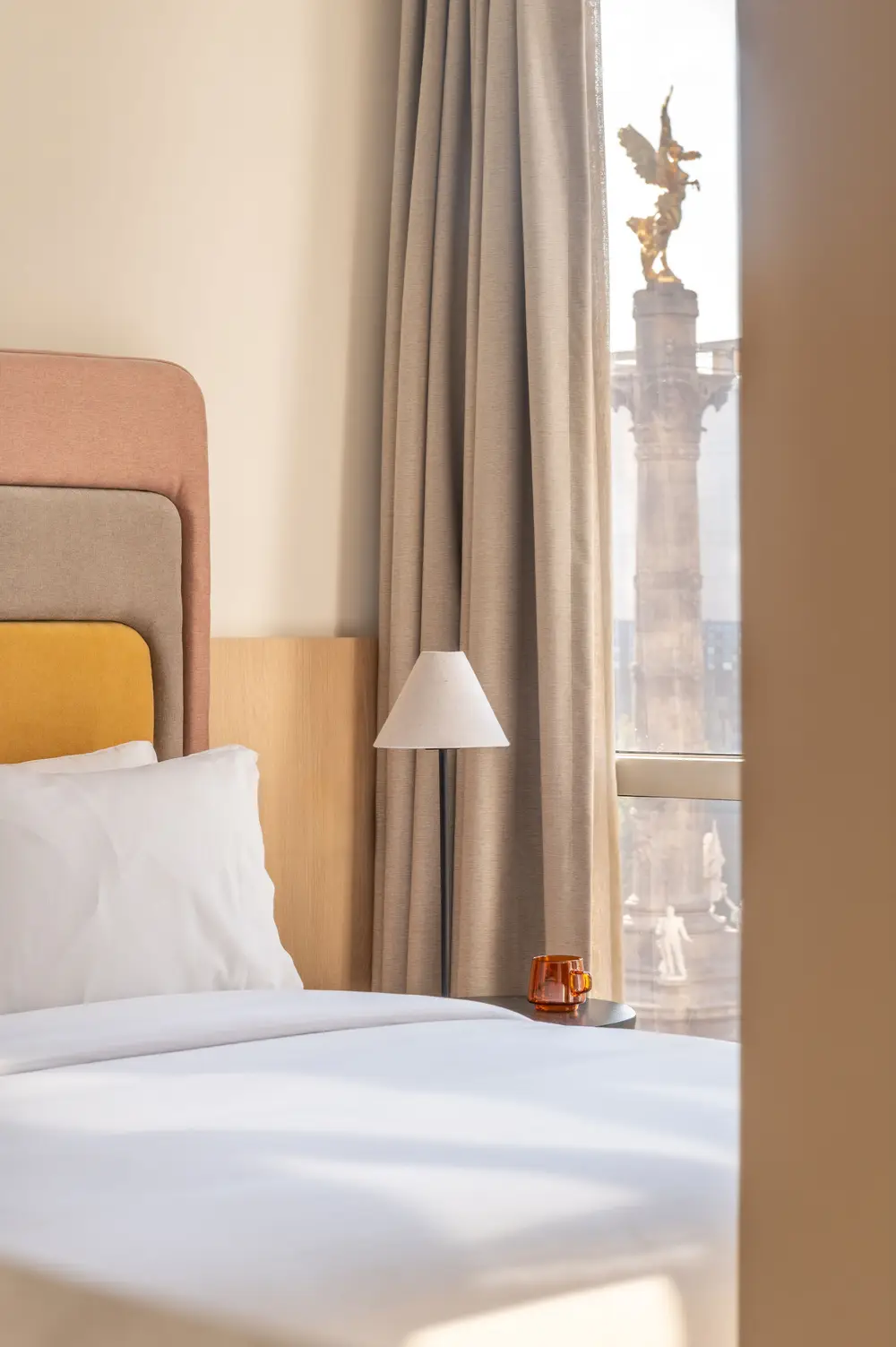
9.0ExcellentEnnismore's Hyde brand, born on the Sunset Strip, makes its Latin American debut on Paseo de la Reforma, across from the Angel of Independence.
From MXN 4,230
Open · September 2026See prices from MXN 4,230 →
Mexico City, Mexico City
Kimpton El Castelar Polanco
Polanco's second Kimpton occupies the 1940 Edificio Roel, across from Lincoln Park, with 34 rooms, private terraces and a rooftop pool.
Open · July 2026See prices →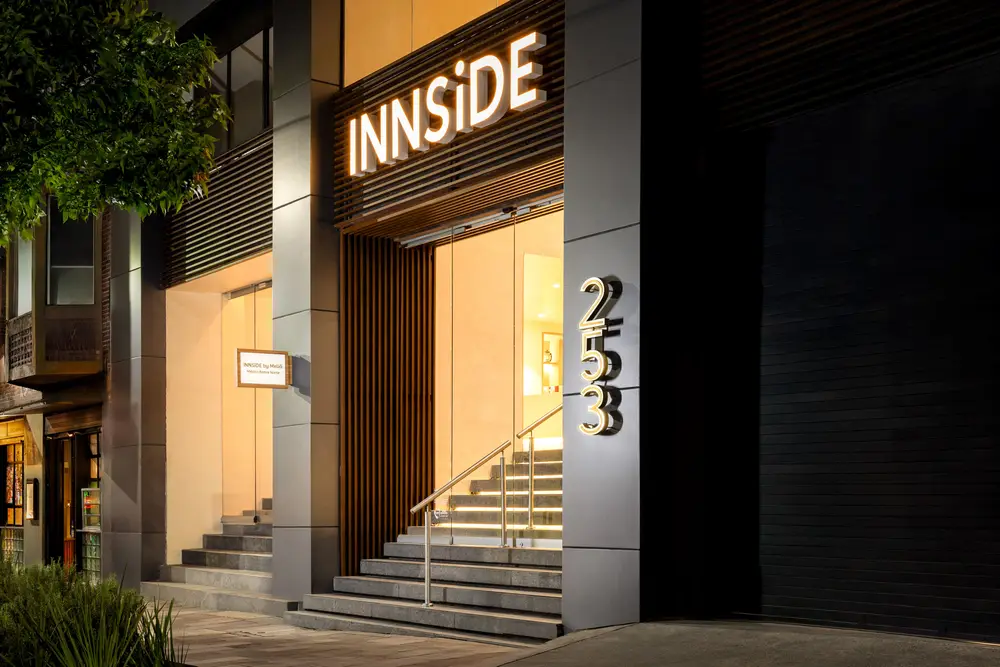
- Lowest price
- Best value
Mexico City, Mexico City
INNSiDE Mexico Roma Norte
8.4Very goodMeliá opened its first INNSiDE in Mexico City on 8 June 2026 in Roma Norte, with 91 rooms, a social lounge and a rooftop still to come.
From US$90
Open · June 2026See prices from US$90 →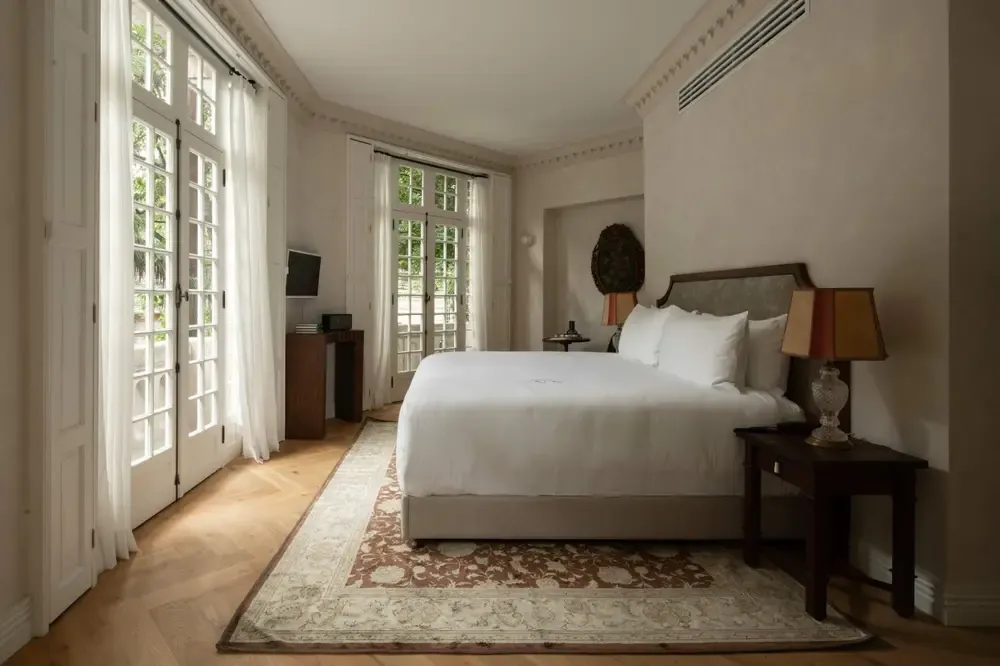
Mexico City, Mexico City
El Cortés
9.6ExcellentA 1915 Roma Norte mansion that once served as a presidential residence reopens as a 15-key hotel under the Relais & Châteaux label.
From US$480
Open · June 2026See prices from US$480 →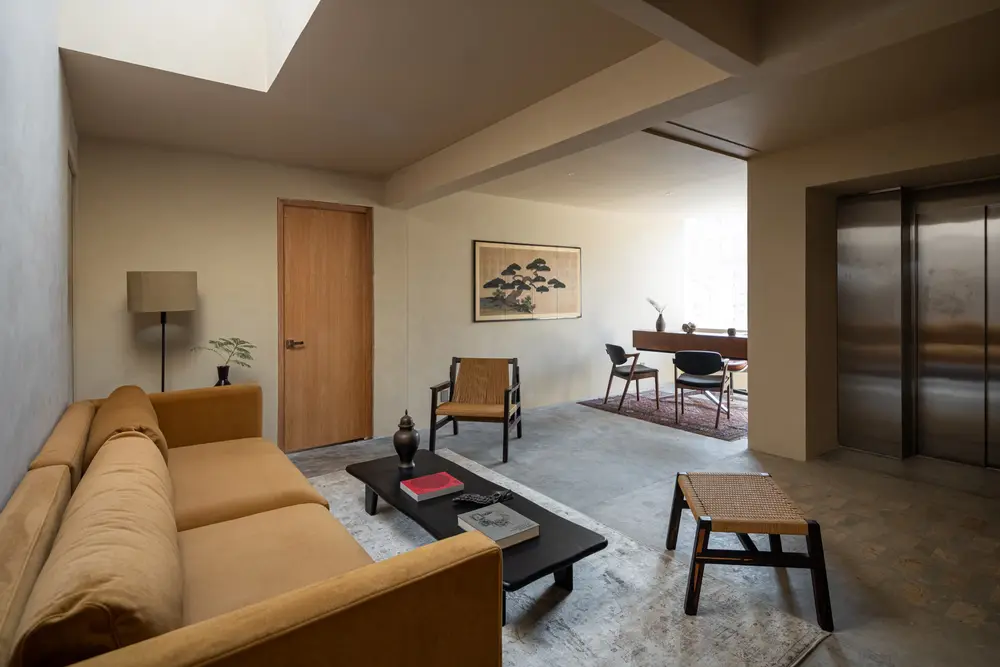
Mexico City, Mexico City
Hotel Oculto
9.8ExcellentA 21-room boutique hotel in Colonia Juárez whose entrance sits behind a sushi bar open to the public.
From MXN 4,780
Open · Late 2025See prices from MXN 4,780 →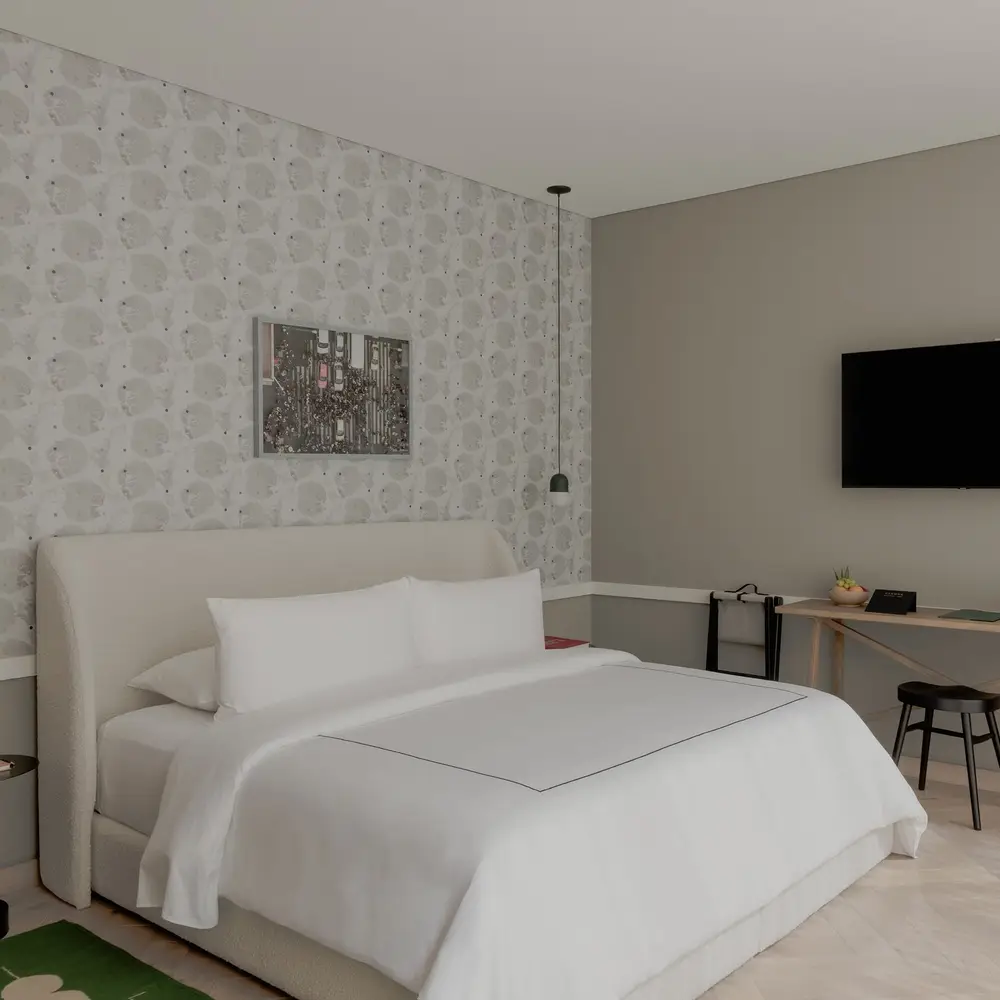
Mexico City, Mexico City
Casona Roma Norte
8.2Very goodA 1923 belle époque mansion in Roma Norte became a 32-room hotel with six restaurants and bars and a photograph by Santiago Arau in every room.
From US$110
Open · October 2024See prices from US$110 →
Mexico City, Mexico City
Alexander Hotel, Member of The Leading Hotels of the World
9.2ExcellentThe only hotel in Lomas de Virreyes, inside the Torre Virreyes, with 26 suites and Mexico's first caviar bar.
From US$370
Open · July 2024See prices from US$370 →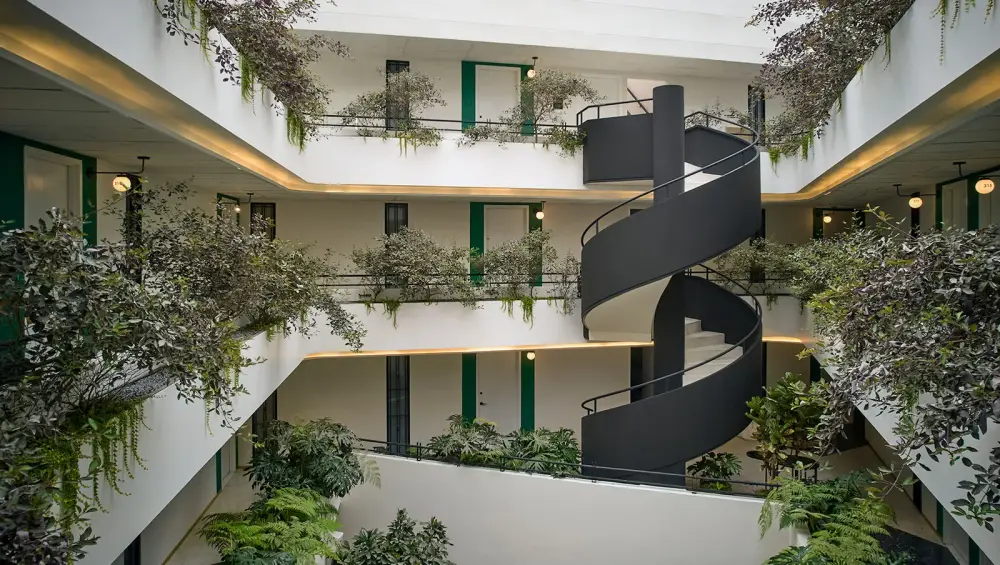
Mexico City, Mexico City
Kimpton Virgilio
9.4ExcellentMexico City's first Kimpton, opened in February 2024 in Polanquito, with 48 rooms around a skylit patio, a Spanish restaurant and a rooftop bar.
From US$280
Open · February 2024See prices from US$280 →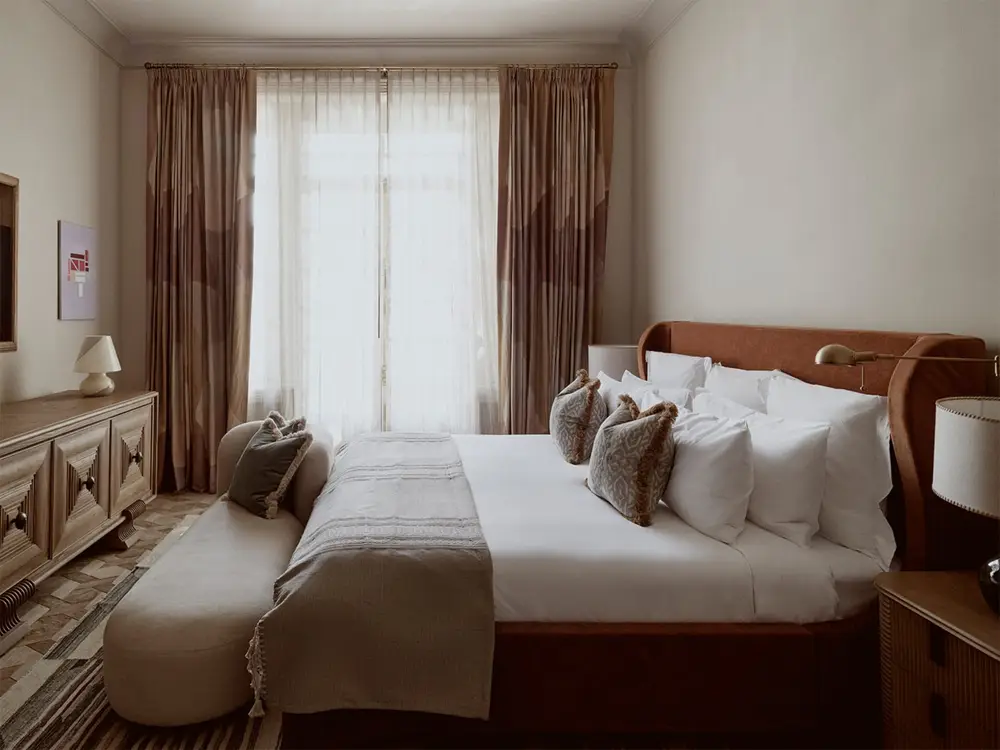
Mexico City, Mexico City
Soho House Mexico City
Soho House's first club in Latin America occupies a 1909 house in Colonia Juárez, with four bedrooms reserved for members.
Open · September 2023See prices →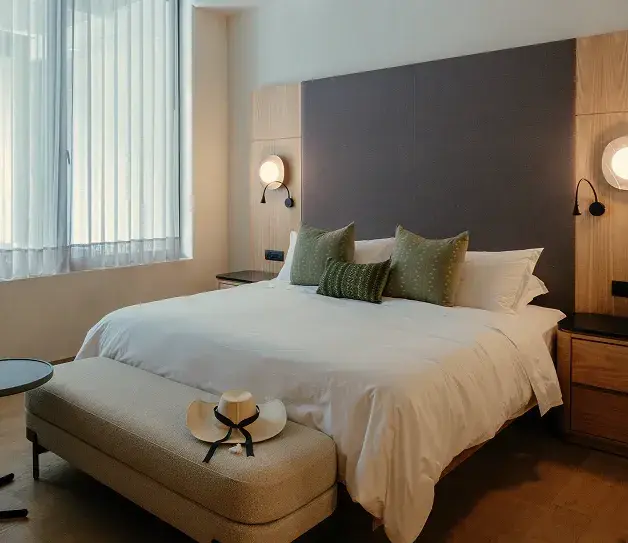
Mexico City, Mexico City
Colima 71, Casa de Arte Hotel
9.6ExcellentSixteen studios in Roma Norte designed by Alberto Kalach's T.A.X., with a courtyard, a library, work by Mexican artists and one Michelin Key.
From US$440
Open · 2023See prices from US$440 →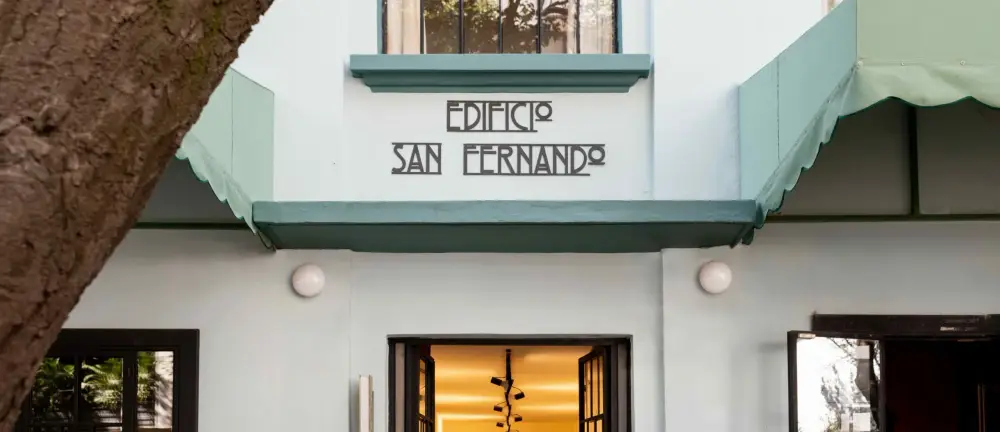
Mexico City, Mexico City
Hotel San Fernando, a Bunkhouse Hotel by Hyatt
A 1947 Art Deco apartment building in Condesa, near Parque México, became a 19-room hotel run by the Austin group Bunkhouse and holds a Michelin Key.
From US$140
Open · June 2023See prices from US$140 →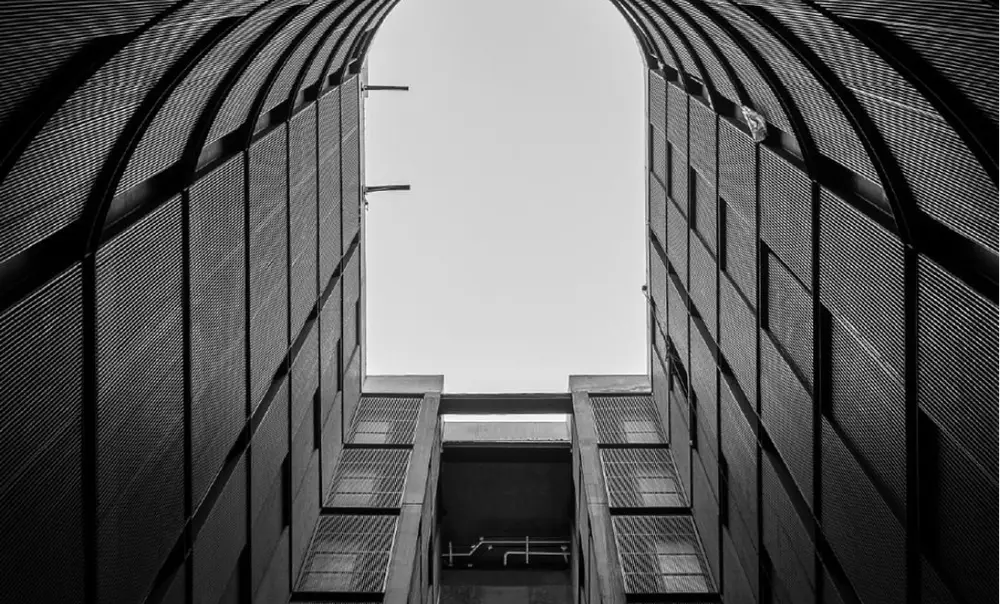
Mexico City, Mexico City
Hotel Volga
8.8Very goodA brutalist concrete building by JSa Arquitectura in the Cuauhtémoc district, with 49 rooms around a central courtyard, a rooftop day club and a Michelin-listed restaurant.
From US$230
Open · June 2023See prices from US$230 →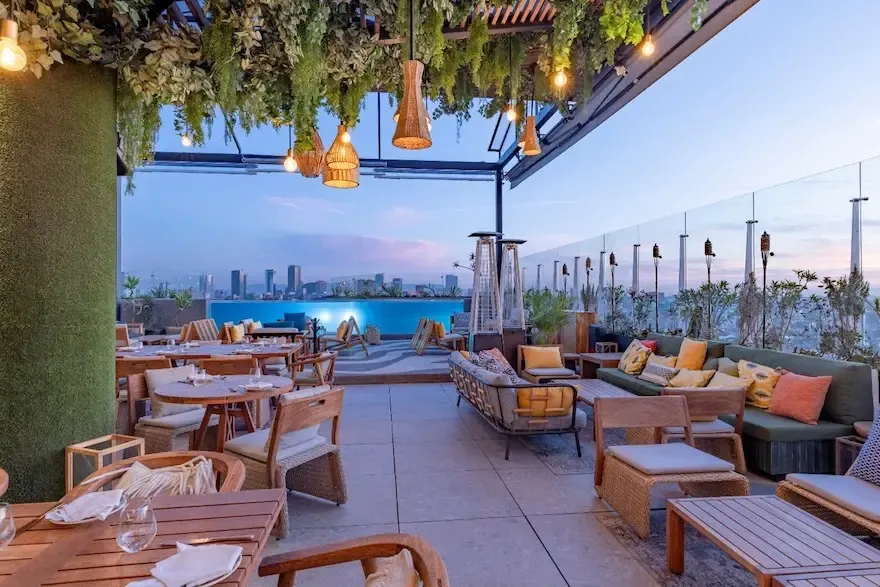
Mexico City, Mexico City
Andaz Mexico City Condesa
8.8Very goodMexico's first city Andaz revives the Aristos building in Condesa, the former headquarters of the national anthropology institute.
From US$260
Open · January 2023See prices from US$260 →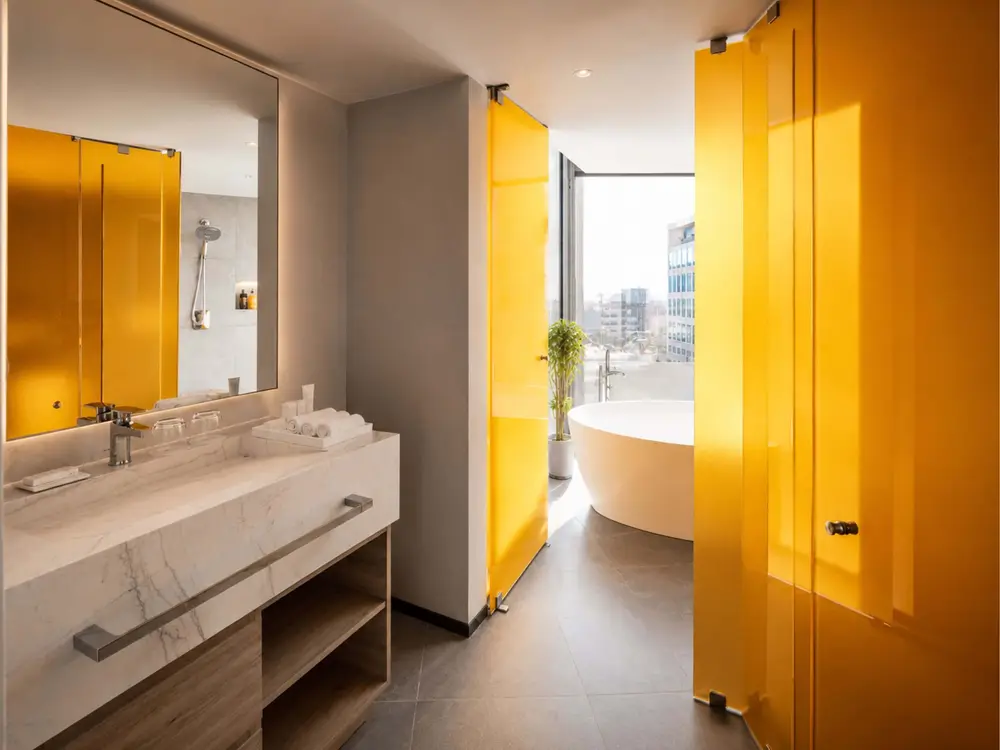
Mexico City, Mexico City
Mondrian Mexico City Condesa
8.8Very goodLatin America's first Mondrian occupies a wing of the Aristos building in Condesa, the 1961 complex that housed Mexico's anthropology institute.
From US$140
Open · December 2022See prices from US$140 →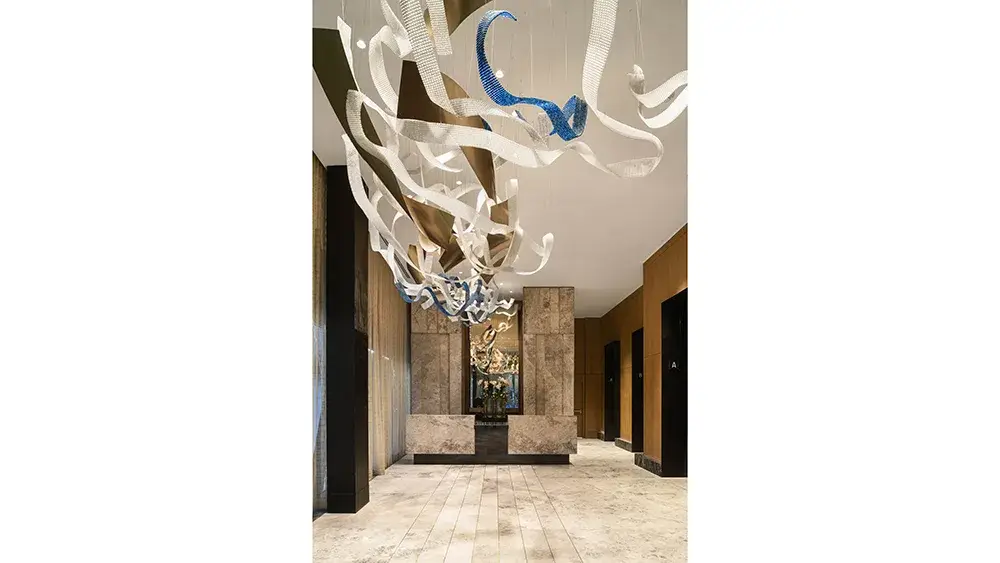
Mexico City, Mexico City
The Ritz-Carlton, Mexico City
9.0ExcellentThe Ritz-Carlton's first Mexico City hotel fills the upper floors of the Chapultepec Uno tower on Paseo de la Reforma, with 153 rooms and suites.
From US$440
Open · October 2021See prices from US$440 →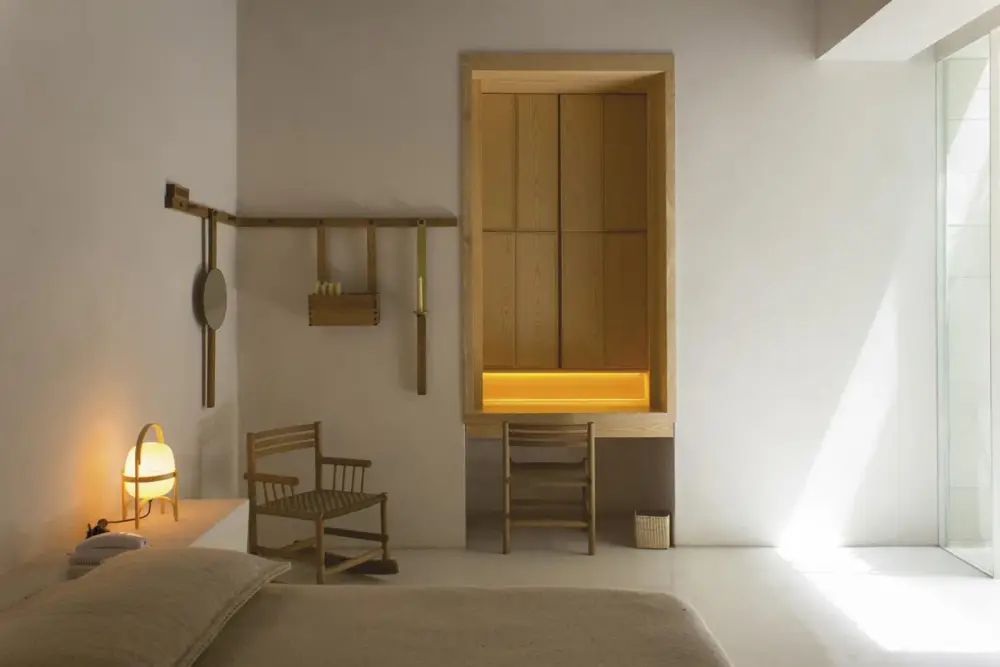
Hotels coming soon in Mexico City
No confirmed openings ahead in Mexico City for now.
Iconic hotels in Mexico City
Mexico City
Gran Hotel Ciudad de México
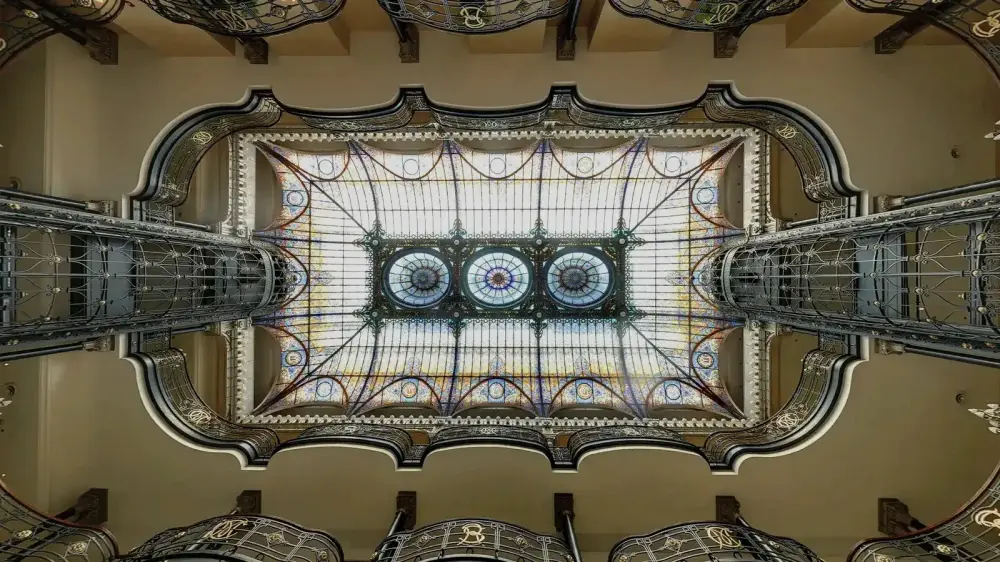
The building opened in 1899 as the Centro Mercantil, a short walk from the Zócalo, and has operated as a hotel since 1968, the year of the Mexico City Olympics. Its lobby keeps the stained-glass ceiling signed in 1908 by the French artist Jacques Grüber, above tiers of wrought-iron balconies. A renovation between 2003 and 2005 gave it its current name.
From MX$3,270
Mexico City
Camino Real Polanco México
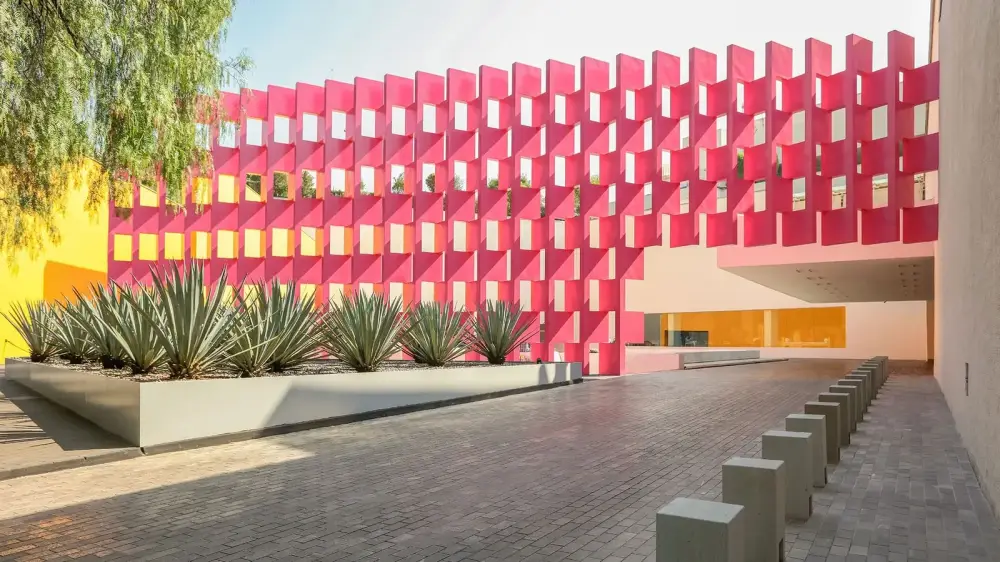
Ricardo Legorreta designed the hotel, which opened on July 25, 1968, less than three months before the Olympic Games. Guests arrive through a courtyard framed by Mathias Goeritz's pink lattice wall around a central fountain. Inside hang works by Rufino Tamayo, whose mural Man Facing Infinity dates from 1971, and by Pedro Friedeberg.
Mexico City
Downtown México
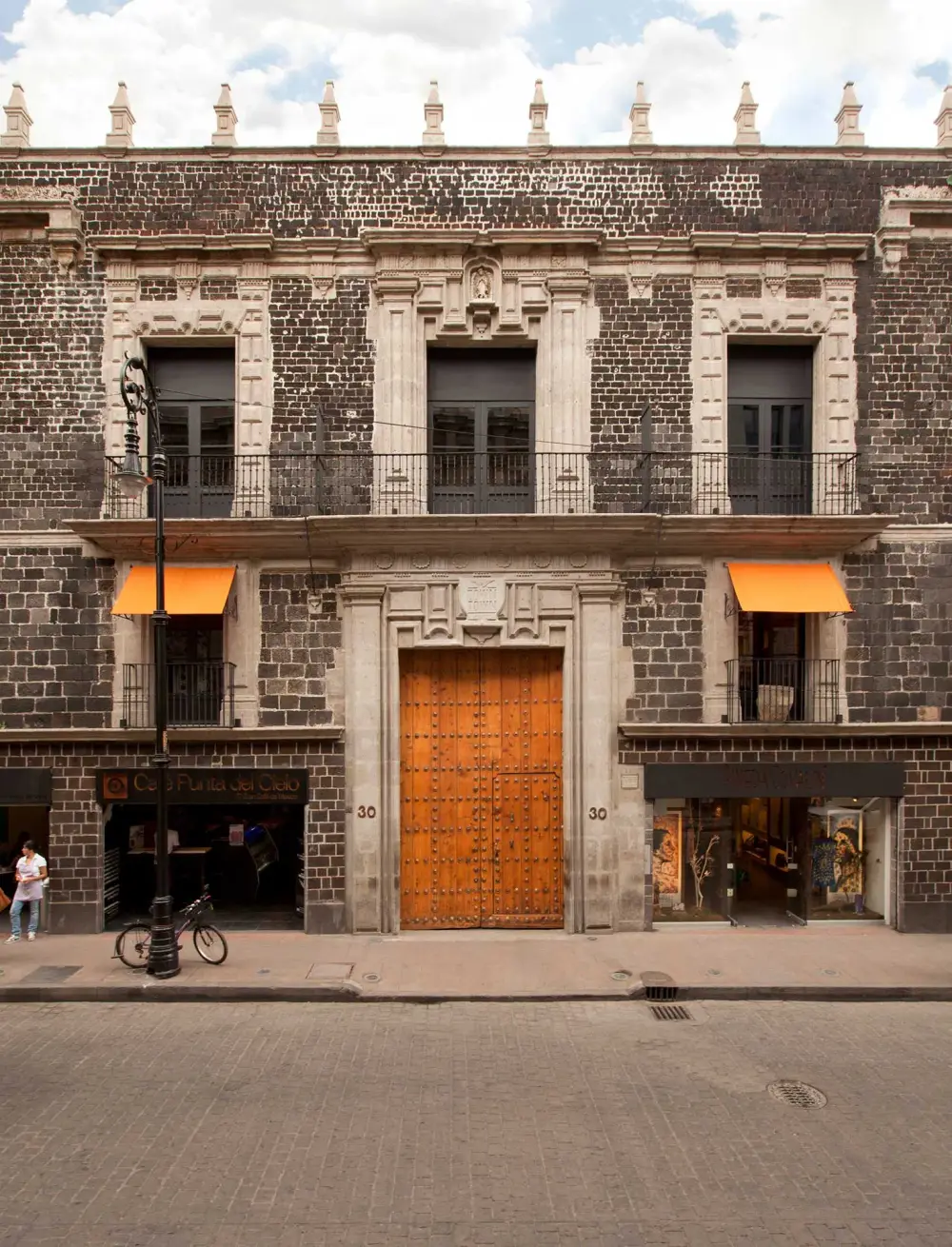
Grupo Habita opened this 17-room hotel in 2012 inside the Palace of the Counts of Miravalle, a 17th-century mansion in the Historic Center. The restoration by the studio Cherem Serrano kept the stone facade and its heavy wooden gate. A restaurant now occupies the roof terrace.
From MX$1,520
Mexico City
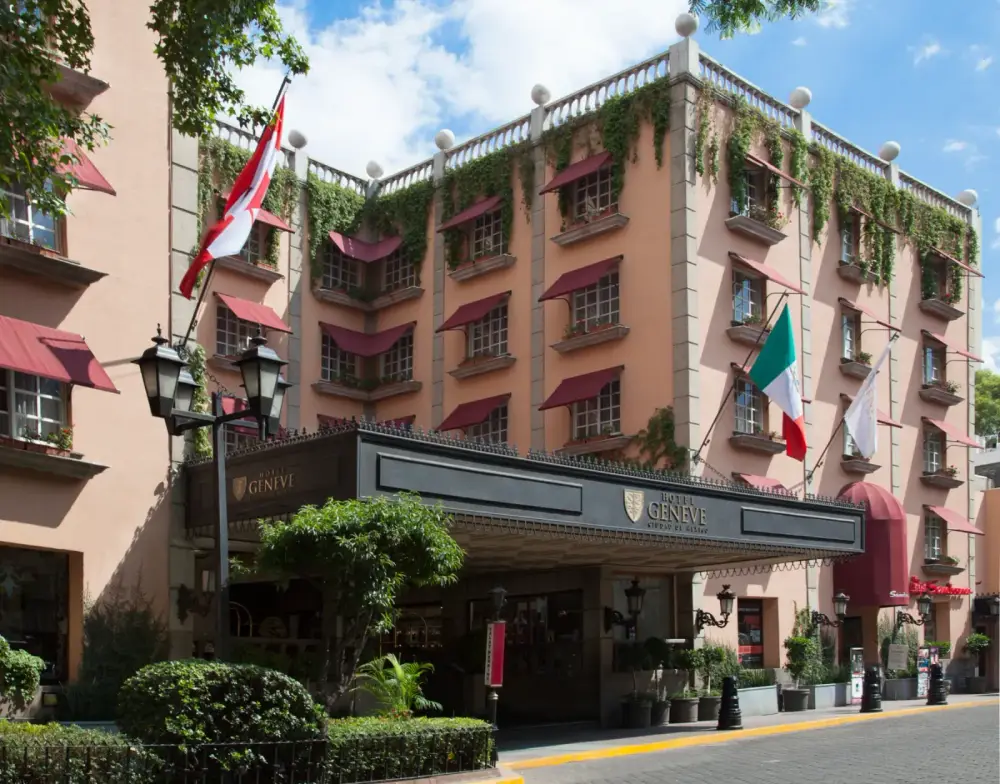
Hotel Geneve Ciudad de México
Opened in 1907 on Calle Londres, in what is now the Zona Rosa, the Geneve is among the oldest hotels still operating in the city. The hotel lists Winston Churchill, Charles Lindbergh and Sophia Loren among past guests. Its Salón Jardín, under a roof of iron and glass, now serves as a restaurant.
From MX$1,490
Things to do in Mexico City
Mexico City does not open hotels the way the beach destinations do. There are few large resorts and many small addresses in buildings that had another job first: apartment blocks in Polanco, modernist towers on Paseo de la Reforma. The two openings tracked here follow that pattern. Kimpton Virgilio opened in February 2024 in Polanquito, and Hyde Mexico City Reforma opened in early September 2026 facing the Angel of Independence.
Both sit on the western side of the city centre, within a few kilometres of each other, and that is where most of the useful advice below applies. The capital is a long way from being a single neighbourhood, so the first decision for any trip is which part of it you will spend your days in.
Where the new hotels are
Polanco
Polanco is the city's most expensive district, with embassies, the shops along Avenida Presidente Masaryk, and a dense run of restaurants on the quieter streets around Parque Lincoln. Pujol, on Tennyson, and Quintonil, on Newton, are the two names that bring most food-minded visitors here, and both book weeks ahead.
Polanquito is the western pocket, calmer and lined with trees. Kimpton Virgilio is at Anatole France 79, in a protected 1940 building put up as apartments, with a curved white facade that recalls an Art Deco liner. It has 48 rooms, eight of them suites for two to six guests, arranged around a skylit patio. The developer is ZKC, an investment fund focused on property in the capital, and IHG runs the hotel under its Kimpton brand. It was one of the first multi-storey residential buildings in the area, and it takes up a tree-lined corner. The Kimpton is the first in Mexico City.
Prices are published in dollars, from US$280 a night.
The museums are the other reason to stay here. The Museo Nacional de Antropología and the Museo Tamayo are in the Bosque de Chapultepec, a short walk south of Polanco's edge. The Museo Soumaya and the Museo Jumex are in Nuevo Polanco, east of the old district and about a ten-minute drive, or a long walk, from Masaryk.
Paseo de la Reforma
Reforma is the city's ceremonial avenue, a diagonal that runs from Chapultepec to the Centro Histórico, lined with towers of every decade since the 1950s. Hyde Mexico City Reforma is at 355 Paseo de la Reforma, facing the Angel of Independence. It occupies two modernist towers whose original facade was preserved, and holds 106 rooms, studios and suites. Accor operates it. The brand was born on the Sunset Strip in Los Angeles and builds its offer around live music and nightlife, which is a different proposition from the quiet courtyard of the Polanco opening.
This is the first Hyde in Mexico and in Latin America. Rates are listed in pesos, from MXN 4,230.
Zona Rosa, with its galleries, restaurants, bars and LGBTQ+ history, is a short walk away, as is the area known as Little Seoul, the centre of the city's Korean community. The Centro Histórico is about 3.3 kilometres from the hotel, and the airport about 13.
On Sundays Reforma closes to cars for part of the morning for the Muévete en Bici programme, and the avenue fills with cyclists and walkers. If you arrive on a Sunday, expect the road outside to look nothing like a weekday.
Roma and Condesa
No hotel in these two districts is tracked here yet, but they belong in any plan for the city, because they are where many visitors choose to eat and walk even when they sleep elsewhere. Roma Norte has Art Nouveau and Beaux Arts houses along Avenida Álvaro Obregón, the Plaza Río de Janeiro with its replica of Michelangelo's David, and a long list of cafés and restaurants. Rosetta on Colima and Contramar on Durango are the best known.
Condesa has a quieter, more residential feel. The streets around Parque México and Parque España are shaded and flat, and the oval of Avenida Amsterdam follows the line of a former racetrack.
Both districts took damage in the September 2017 earthquake, and several old buildings are still being restored. Some of the small hotels that open here do so in repaired townhouses.
Choosing a district
Polanco suits a visit built around museums, restaurants and shopping. You can do much of it on foot, and the Chapultepec museums are close. It is also the area with the most expensive meals and the highest room rates in the city.
Reforma is better for a short stay with business meetings or a lot of crossing town. Metrobús Line 7 runs along the avenue, with stops at Auditorio, Antropología, Chapultepec and others, and Zona Rosa and the Centro Histórico are within reach by short taxi or bus rides.
Roma and Condesa suit a longer stay where eating out at neighbourhood places matters more than a hotel's own restaurant.
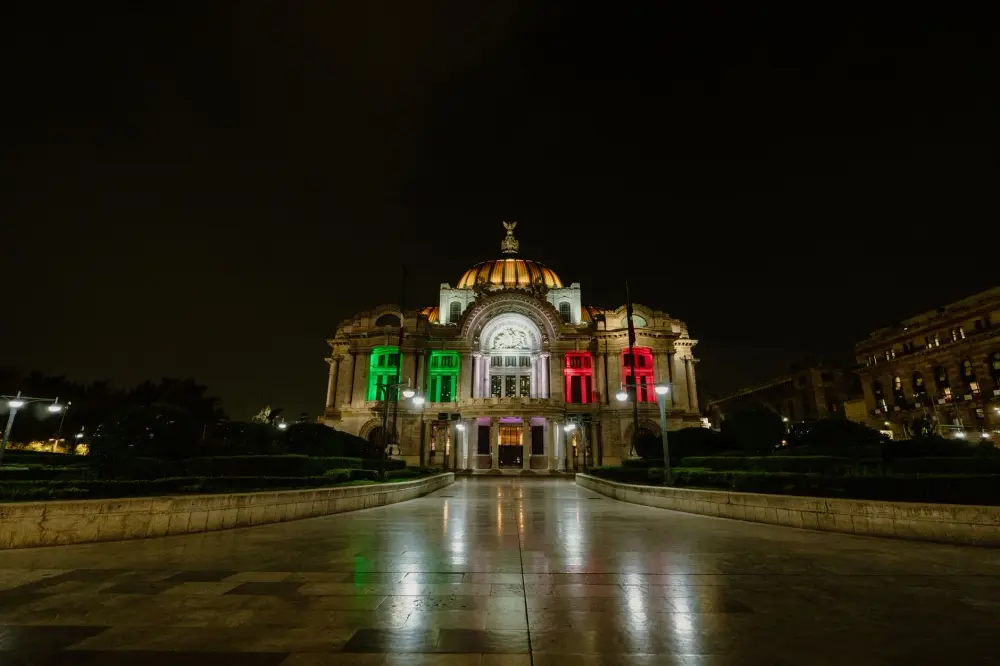
The historic centre is a separate trip. The Zócalo, the Templo Mayor and the Palacio de Bellas Artes are close to one another there, and the area empties early in the evening compared with Roma or Polanco.
Getting around
Mexico City's international airport is about 13 kilometres from Reforma, though traffic can turn that into 25 to 50 minutes by car depending on the hour. Authorised taxis from the arrivals hall cost roughly 300 to 450 pesos to Roma, Condesa or Polanco. Rideshare pickups are not at the terminal door but at a designated point a walk away. Metro Line 5 from Terminal Aérea costs 5 pesos and takes about 40 to 50 minutes with a transfer, which is cheap but awkward with luggage.
Inside the city, the Metro, the Metrobús and the Ecobici bikes cover the districts above. The Metro is fast and crowded at rush hours. Metrobús Line 1 runs along Avenida Insurgentes, between Roma, Condesa and the north and south of the city, and Line 7 follows Reforma. Taxis booked through an app are the practical way back after dinner.
The city sits at 2,240 metres. Most visitors notice it on the first day, with short breath on stairs and a dry throat. Drink water and go easy on alcohol the first night. Rain falls mainly between June and October, usually as an afternoon downpour, so plan outdoor visits in the morning.
One rule saves a lot of time: on a map, the distances look short, and in traffic they are not. Pick the district where most of the day will happen and book there, rather than trying to cover Polanco, Roma and the Centro Histórico from a single address.
Beyond the capital
Many visitors pair Mexico City with a beach stay. Los Cabos, Cancún and the Riviera Maya each have their own guide, and the full list of new hotels across the country is on the Mexico page.
What to know about rates
Prices in Mexico City depend on how a hotel sets them. Hyde lists its rooms in pesos, Kimpton Virgilio in dollars, and a peso rate can move with the exchange rate between booking and arrival. The two published figures, from MXN 4,230 and from US$280, are starting points for a standard room outside the busiest weeks, not what you will pay in a high-demand week such as the Formula 1 Grand Prix in late October or Day of the Dead at the start of November. Check the current rate in the currency you will pay in.
Frequently asked questions
What are the newest hotels in Mexico City?
Hyde Mexico City Reforma, which opened in early September 2026 on Paseo de la Reforma, is the newest hotel in this guide, and the first Hyde in Latin America. Kimpton Virgilio, the city's first Kimpton, opened in Polanco on February 9, 2024.
Which neighbourhood is best for a first visit?
Polanco, for most first visits. It puts you near the Chapultepec museums, the Soumaya and Jumex museums, and many of the city's best-known restaurants. Choose Reforma if you want a central address between Polanco and the historic centre, and Roma or Condesa if you prefer a residential street and cafés.
How far is Mexico City airport from Reforma?
About 13 kilometres, which takes roughly 25 to 50 minutes by car depending on traffic. A taxi from the arrivals hall to Polanco or Roma costs about 300 to 450 pesos.
Are Mexico City hotels priced in pesos?
Some are. Hyde Mexico City Reforma publishes its rates in pesos, from MXN 4,230, while Kimpton Virgilio publishes in dollars, from US$280. Compare the two in the same currency before choosing.
Key dates for hotels in Mexico City
Opened
Hyde Hotels opened its first hotel in Latin America in Mexico City: 106 rooms, studios and suites in two towers from the era of Mexican modernism, with the Japanese restaurant Enzu and a 14-seat omakase counter.
Opened
IHG Hotels & Resorts announced the opening of Kimpton El Castelar Polanco, with 34 rooms in the 1940 Edificio Roel by Francisco J. Serrano, in Polanquito.
Opened
Meliá Hotels International opened INNSiDE Mexico Roma Norte, its first INNSiDE in Mexico City and its ninth hotel in the country.
News
Casona Roma Norte, the newest member of the Hamak Hotels collection, opens in Mexico City's Roma Norte.
Opened
Alexander Hotel, Member of The Leading Hotels of the World
Alexander Hotel, Member of The Leading Hotels of the World, announced its opening in the Torre Virreyes, in Lomas de Virreyes.
Opened
Kimpton Virgilio opened in Polanquito as the first Kimpton boutique hotel in Mexico City, with 48 rooms designed by Arquitectura de Interiores Studio, the restaurant Pepe Mesa Española and both short and long stays.
News
Colima 71, a boutique hotel of sixteen studios, opens in Mexico City's Roma Norte.